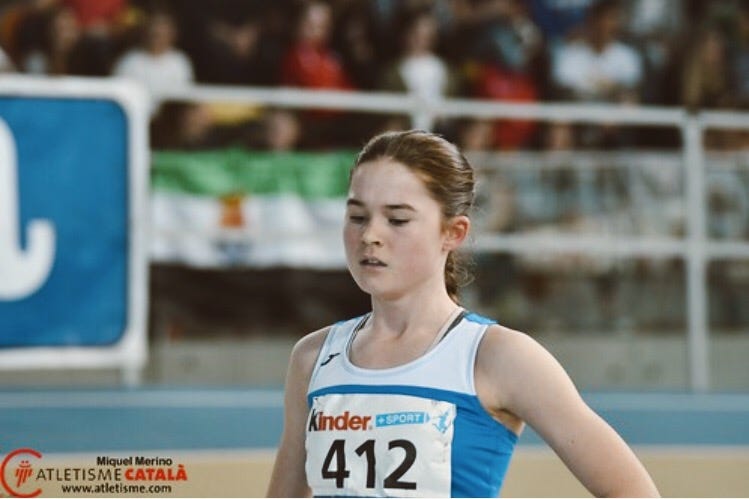
"As someone always on the go at work and who trains hard in the gym this product is great; tasty, healthy and easily digestible."
The Messy Middle of RED-S Recovery
Many people talk about the start of RED-S recovery and then the return to high performance sport: but what about the messy middle?
Many people talk about the start of Relative Energy Deficiency in Sport (RED-S) — the injuries, the fatigue, the diagnosis.
And sometimes people talk about the end — recovery, returning to sport, feeling strong again.
But almost no one talks about the messy middle.
The phase where you’re not acutely in RED-S (Relative Energy Deficiency in Sport) anymore, but you’re not fully out of LEA (Low Energy Availability) either. The stage where symptoms improve just enough that expectations begin to return — from yourself, from coaches, from work, from life — but internally things still feel fragile.
This is often the phase where you begin questioning everything.
Your habits. Your training. Your relationship with food. Your identity around discipline and performance.
Questioning can be a healthy and necessary part of recovery. It is how we start noticing what is no longer serving us.
But questioning also brings uncertainty.
You find yourself asking:
When can I return fully to sport? What if I re-injure? What if I undo everything? How quick is too quick? How do you trust your body again?
The fear of everything crashing down again is very real — and rarely talked about.
The Strange Loop of “Semi-Recovery”
For many people in RED-S recovery, the experience is not getting dramatically worse.
But it also isn’t clearly getting better.
You might feel stuck in a loop.
You’re training less than before — yet injuries still appear.
You’re trying to fuel more — yet you feel constantly fatigued
You’re following all the advice — yet can’t shake off the idea that you should be doing more
This creates an incredibly confusing psychological space.
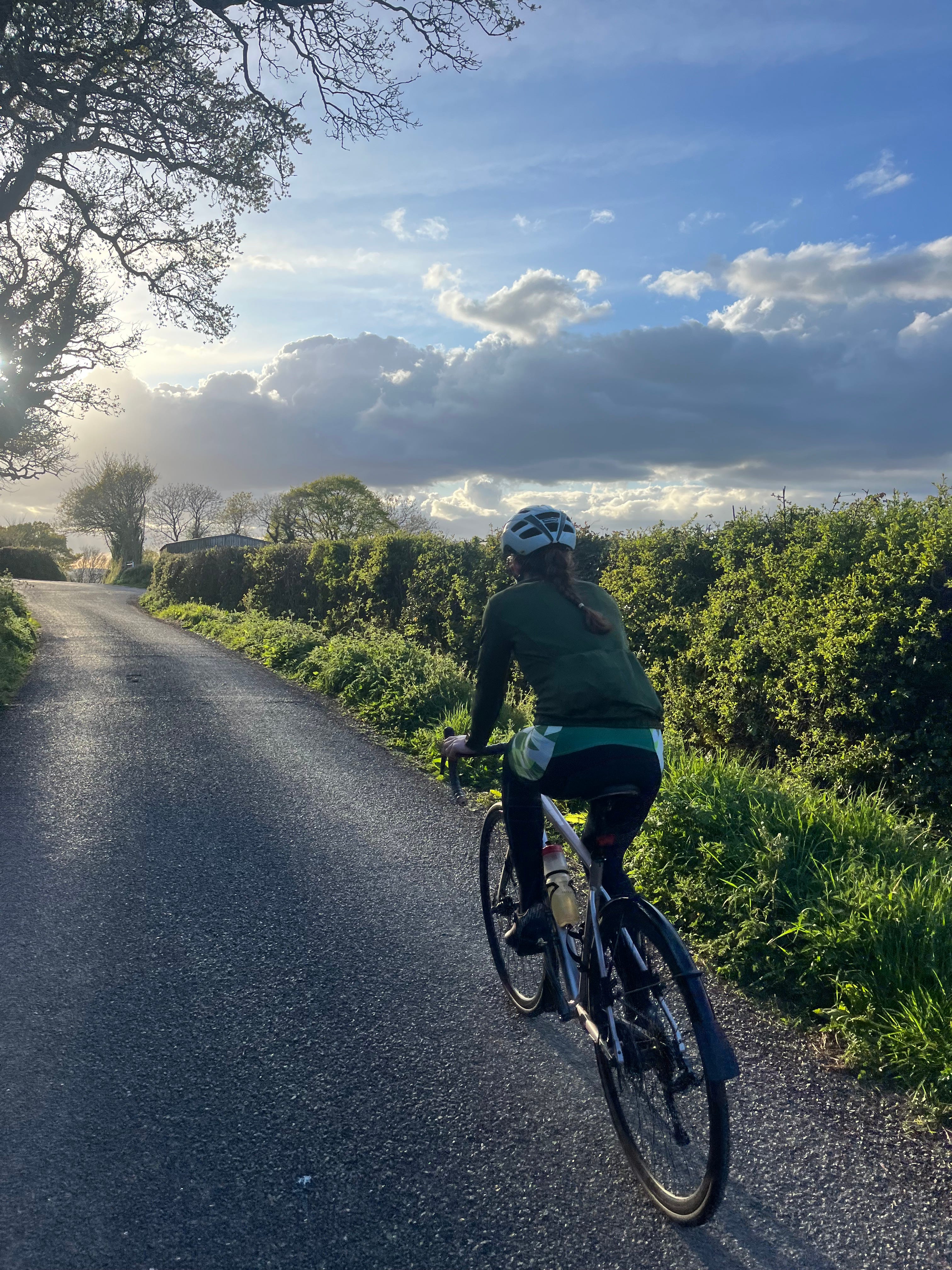
You might be cleared to train again, but still terrified that pushing too far will trigger another injury cycle.
You may feel physically stronger in moments, but emotionally exhausted.
Or your mind might feel ready and motivated again — while your body continues sending warning signals.
This mind–body disconnect is one of the most common yet least discussed aspects of RED-S recovery.
The Pressure to Return
Once the acute stage passes, pressure often begins to build.
Pressure to train again. Pressure to compete again. Pressure to get back to routine.
Sometimes this pressure comes from coaches or environments.
But often it comes from within.
Sport may have been your outlet, your identity, your stress relief.
So stepping back from it can feel like losing part of yourself.
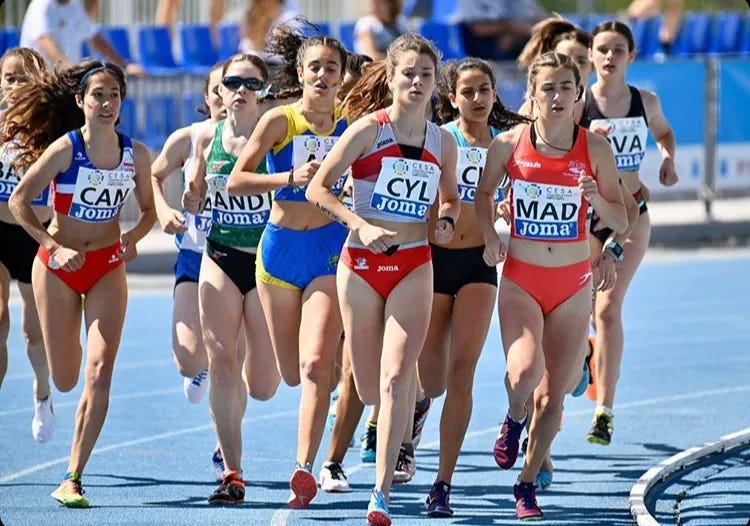
At the same time, watching everyone else train normally can be incredibly difficult.
You might find yourself:
• watching others run or train while you hesitate • feeling behind or left out (FOMO) • wondering why everyone else seems fine • feeling scared to return in case you re-injure
This can create a quiet sense of isolation that many people carry privately.
The Hidden Struggles of Everyday Life
The messy middle of RED-S recovery isn’t only about training.
It shows up in the small, everyday moments too.
Even something as simple as supermarket shopping and cooking for yourself can become difficult. I felt this
After years of restriction or conflicting nutrition messages, food choices may suddenly feel overwhelming.
You might find yourself asking:
Is this enough food? Am I fuelling properly? Is this healthy?
Society does not make this easier.
Modern culture is filled with:
• fear-based nutrition messaging and comparison • constantly changing food trends • demonisation of carbohydrates • praise for discipline and restriction
For someone recovering from RED-S, this environment can make it incredibly difficult to rebuild a stable, intuitive relationship with food.
The Culture That Fuels RED-S
The roots of RED-S often extend far beyond individual choices.
They are deeply connected to broader cultural pressures, including:
• perfectionism • high self-criticism • fear of weight gain or losing fitness • environments that reward constant productivity (workplaces, gyms, home life, social media) • identity tied to discipline and control • sports cultures that normalise overtraining
These pressures increase psychological stress at the same time that the body is experiencing physiological energy suppression.
That combination can trap people in cycles of:
Fatigue. Injury. Low mood. Self-blame.
Even when they are trying so hard to change.
The Secrecy of Struggling
Another difficult part of the messy middle is the secrecy surrounding it.
Many people continuefunctioning outwardly.
But internally they are struggling.
Sometimes people cope by overworking in other areas of life to compensate for reduced training.
Sometimes they hide symptoms because their symptoms don’t seem “as bad” or they see it as a weakness (because we’ve become conditioned to seeing discipline and productivity as strength).
Sometimes they simply don’t know how to explain what they are experiencing, or their symptoms have been brushed off or not acknowledged with the seriousness they deserve (my GP put me on the contraceptive pill when I shared my symptoms and told me it was “very normal” for this to happen with high training loads - 4 months later I experienced another achilles tear).
So most people stay quiet. It’s reassuring because you don’t have to change anything about your routine and habits - and when they’ve worked as a coping mechanism - that is very comforting.
Yet at the same time, people recovering from RED-S often develop a heightened awareness.
They begin spotting others who may be struggling.
The fatigue. The injury cycles. The food anxiety.
You start seeing patterns that others overlook. Yet it can feel disconnected from your own experiences and thoughts.
The Feeling of Not Being Heard
Many people with RED-S spend months advocating for themselves in healthcare systems.
“You have such a low heartrate, you’ve got great cardiovascular fitness”
That disconnect between external reassurance and internal experience can make people feel invisible.
Not heard.
And sometimes even like they are “going mad” trying to explain symptoms that do not fit into simple diagnostic boxes.
Why the Messy Middle Matters
The messy middle of RED-S recovery is rarely discussed publicly.
But it is where many people spend the longest time.
It is the stage where:
Old habits are questioned.
New habits are still being learned and put into practice.
Confidence is rebuilding.
Energy systems are still recovering.
Finding alternative ways of coping and unlearning old behaviours
Discovering what life is like “off the treadmill”
Recovery here often looks less like dramatic breakthroughs and more like slow, often invisible rebuilding.
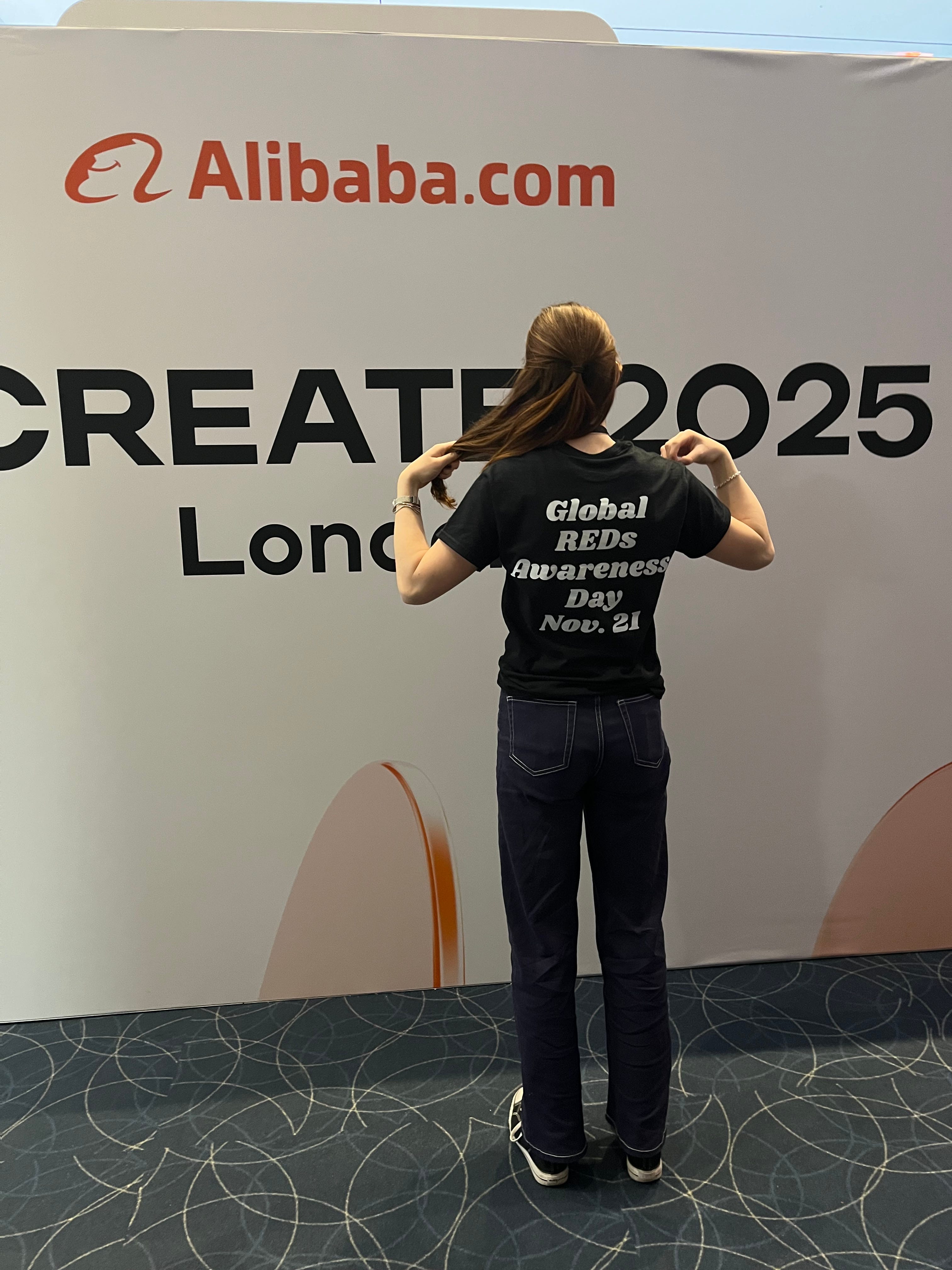
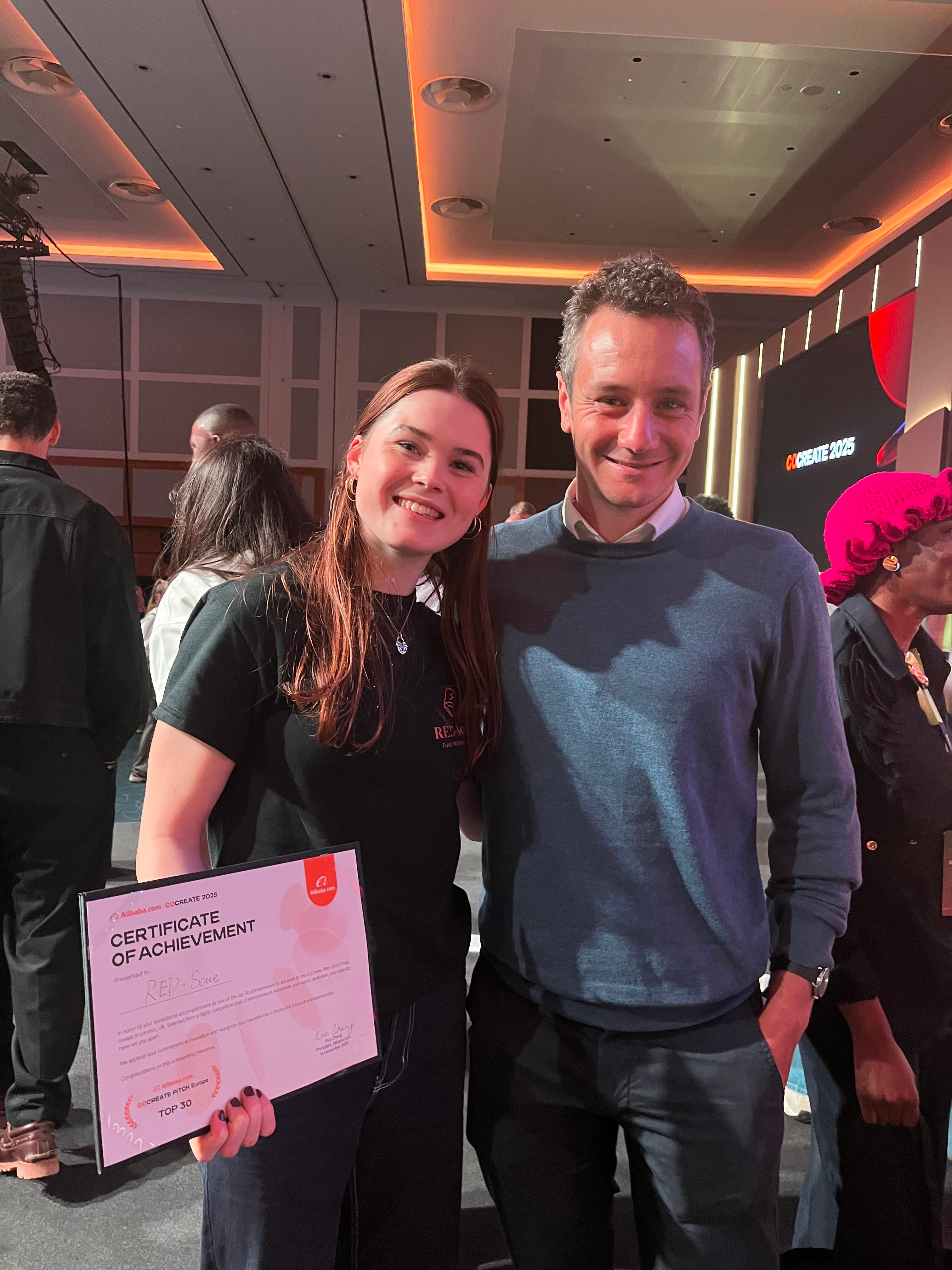
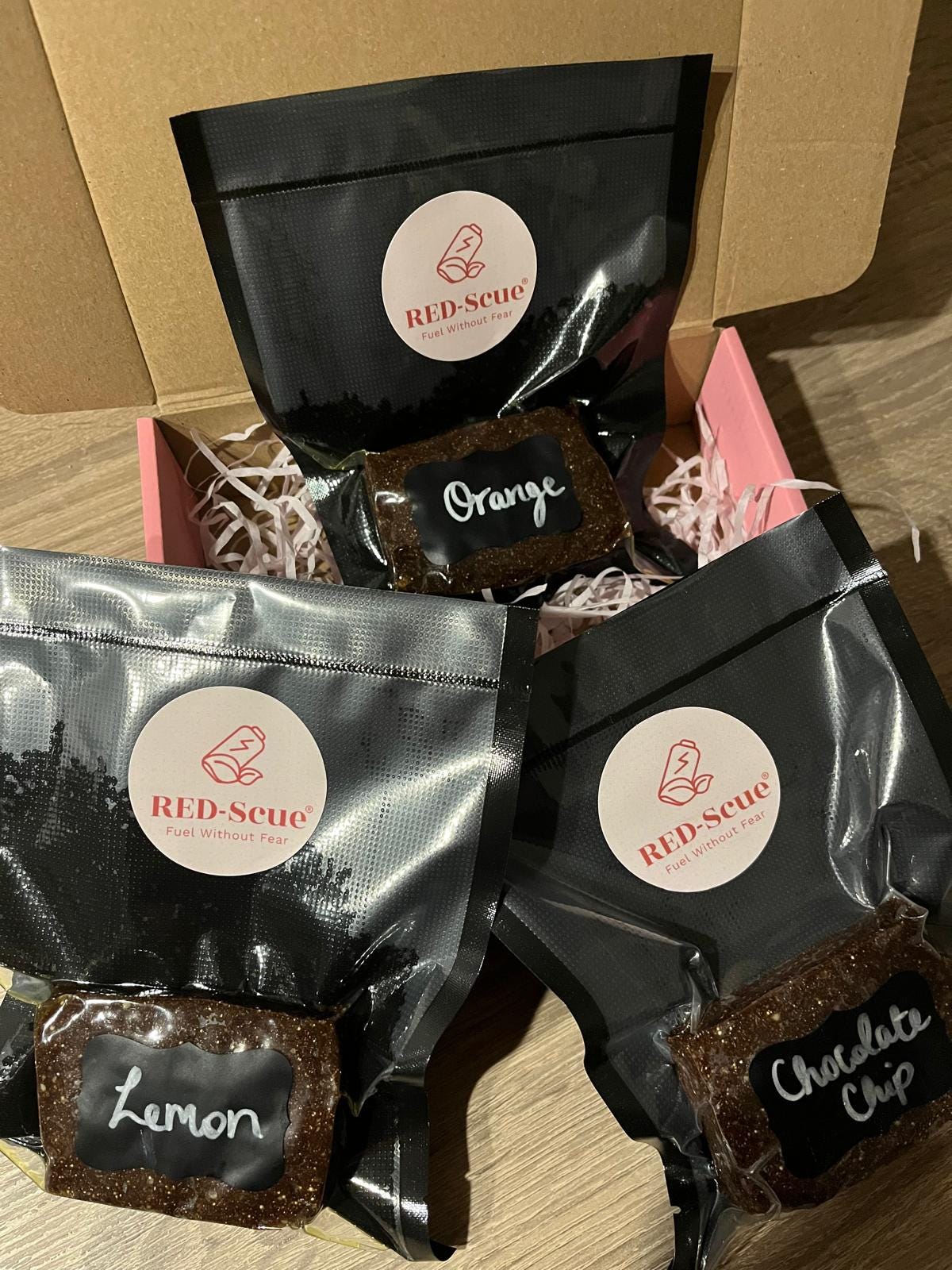
Why We Built RED-Scue
RED-Scue was built from this exact experience.
From living inside the confusing middle of recovery — where you are trying to fuel properly, rebuild energy availability, and avoid falling back into old cycles.
The goal was simple:
Make fuelling easier, consistent, and supportive of recovery. Because I spent too many hours walking around supermarket shops with decision paralysis of what to eat with all the choices and labels. Cooking for yourself can be a chore during RED-S and during regular daily life.
RED-S rarely starts with a stress fracture.
It often starts with small gaps in energy availability and changes in thinking that gradually add up over time.
Closing those gaps consistently can make a significant difference to how the body rebuilds energy - and our mission to is to help you fuel without fear - with all the micro and macro nutrients needed to prevent low energy and a life where balance can be a part of it (as hard as it may feel now).
If You’re in the Messy Middle
If you are in this stage of recovery, it can feel incredibly lonely.
But you are not the only one navigating it.
The messy middle is not failure.
It is a very necessary part of the rebuilding process.
And learning to trust your body again — slowly, patiently — is one of the hardest but most important parts of recovery.
I see you, it takes strength to step away and put yourself first, as difficult and challenging as it is.
RED-Scue fuels training, thinking, creating, and living fully. Fuel without Fear.