"As someone always on the go at work and who trains hard in the gym this product is great; tasty, healthy and easily digestible."
RED-S & the Rise of HYROX
A New Risk Landscape
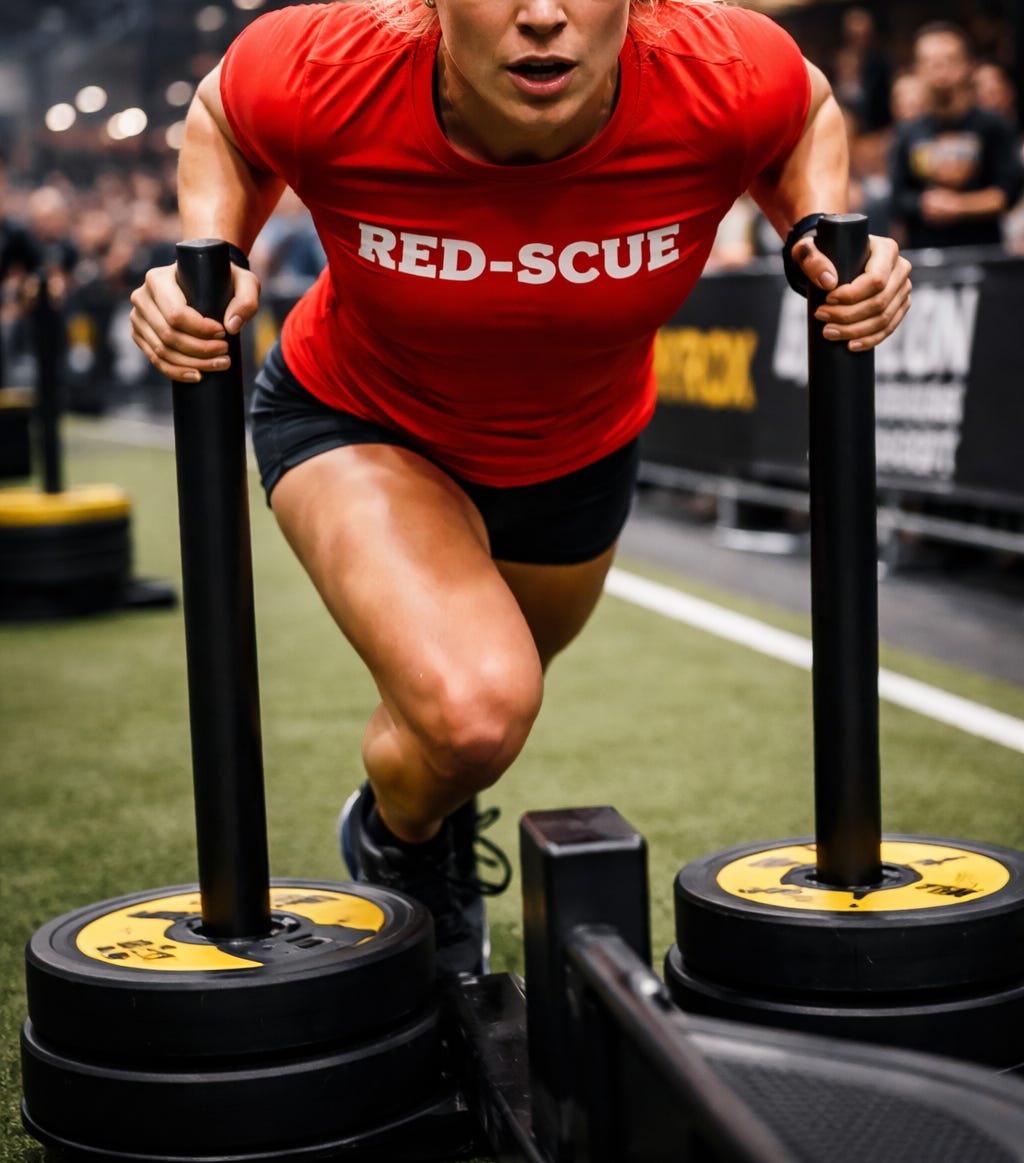
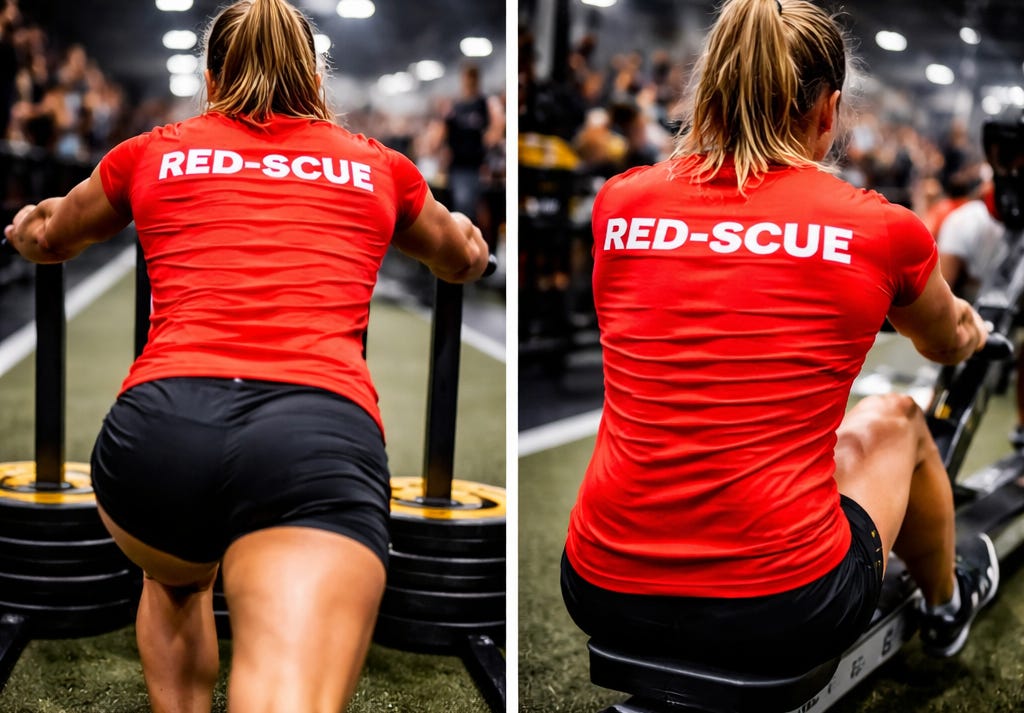
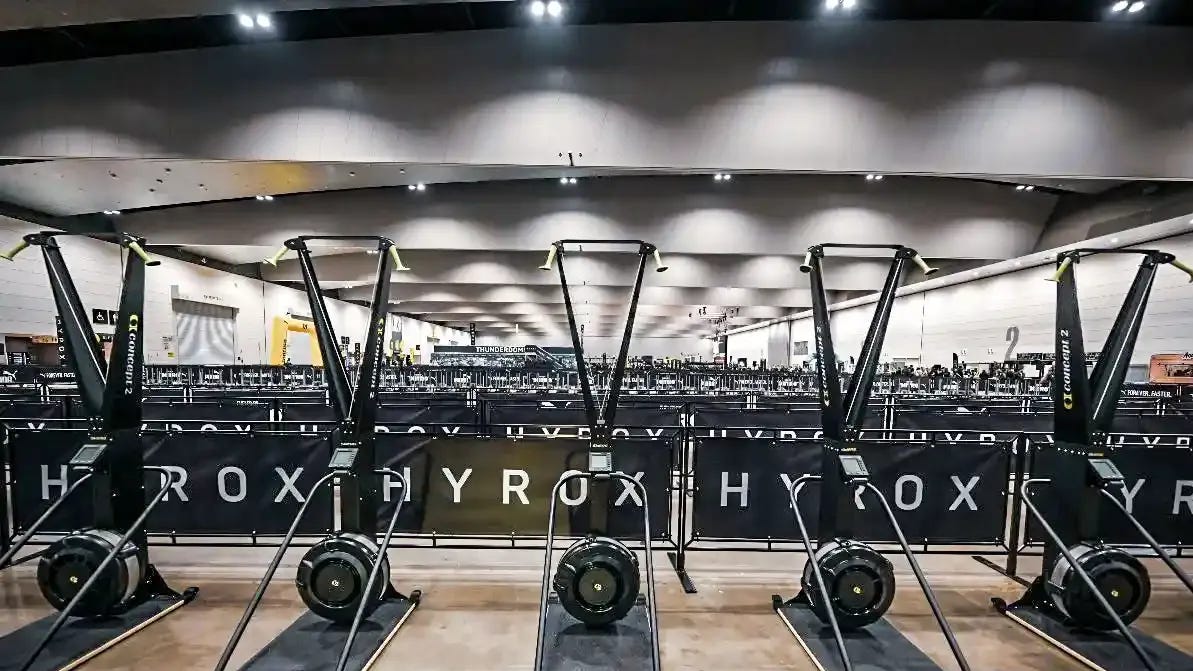
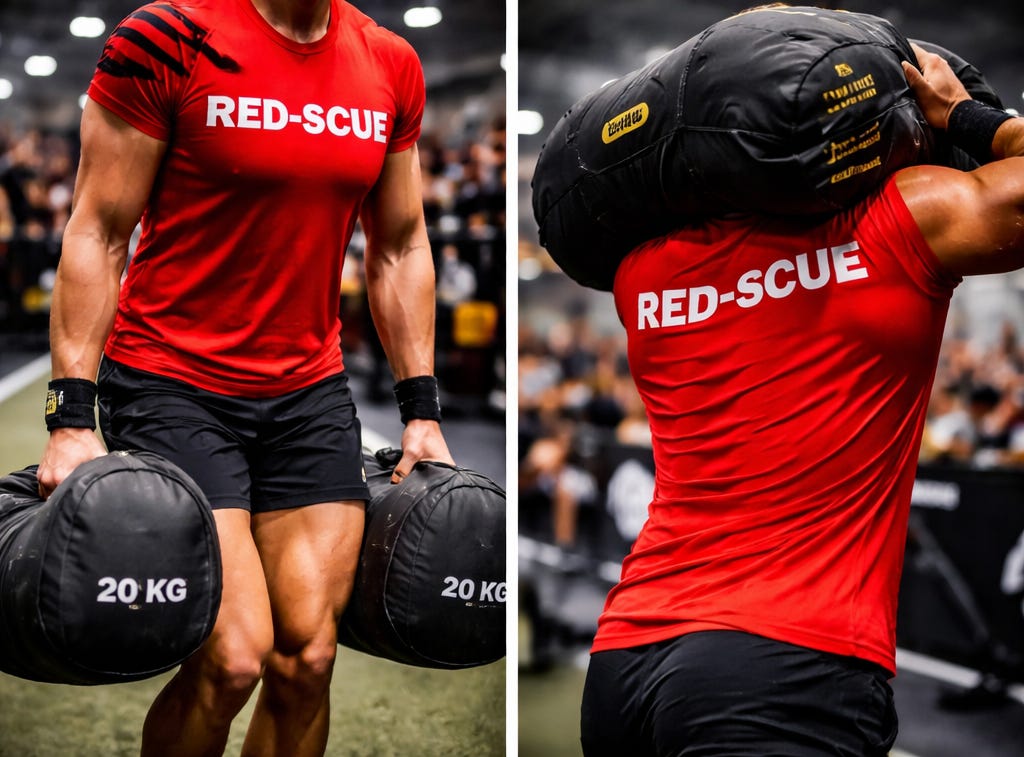
As awareness of RED-S (Relative Energy Deficiency in Sport) grows across sports, a new high-risk space is emerging with the rapid rise of HYROX and hybrid fitness racing. HYROX combines high-intensity running with functional strength stations over 60–90 minutes, placing a very high demand on energy systems, particularly glycogen which is the primary storage form of energy in the body.
While the sport itself is challenging, a key issue lies in the culture surrounding it. Many HYROX athletes come from general gym environments, clean eating culture, or follow social media-driven nutrition trends. Common beliefs include that carbohydrates are “inflammatory,” protein is prioritised as the “cleanest” fuel, and that a lower daily calorie intake (~2,000–2,100 kcal) is sufficient. When these mindsets meet high-performance training, athletes are placed at high risk of RED-S.
Why HYROX Athletes Are at Risk
HYROX places significant energy demands on the body. Athletes rely heavily on carbohydrate stores, and under-fuelling can result in early fatigue and “flat” sessions. The perception that a 60–90 minute session is “short” often leads participants to fuel like a standard gym workout rather than a race, creating chronic energy deficits across training weeks.
Many athletes also fall into the “weight loss trap,” believing that being lighter makes them faster while training 4–5 times per week, creating long-term low energy availability (LEA). Aesthetic and social pressures, including the promotion of lean physiques and dietary restriction as “discipline,” reinforce under-fuelling as a positive behaviour.
The obsession with achieving sub-60-minute times, especially in doubles HYROX events, adds further challenges. Athletes may only be informed of their event three days in advance, making proper carbohydrate loading difficult. Access to suitable foods may vary between countries, making it easier to fuel effectively in some locations than others.
With the rise of Elite 15 doubles pairs now, athletes are often training 8–9 sessions per week. Across the board, many are still influenced by “health culture” narratives, training hard while under-fuelling, often following low-carbohydrate or ketogenic approaches to stay lean. The physiological consequences are significant:
Suppressed thyroid function
Menstrual disruption in female athletes
Persistent fatigue
In some cases, changes in weight
Community discussions with RED-Scue x Hyrox clinicians has shown that the most effective approach has been to return athletes to a “fuel for the work required” model — often increasing intake substantially, sometimes by more than 1,000 kcal/day, and periodising carbohydrate intake around training sessions.
RED-S Across Sports
RED-S was historically associated with distance runners and athletes with lower body weight. Today, it is increasingly observed in rowing, hybrid fitness environments like HYROX and CrossFit, and in team sports. Importantly, RED-S is not about body size — it is about energy availability. Athletes may appear healthy, strong, or muscular yet still experience significant energy deficits.
Signs of RED-S include:
Persistent fatigue
Declining performance despite increasing training load
Recurring injuries such as stress fractures, shin splints, or niggles
Poor recovery and constant soreness
Sleep disturbances
Hormonal changes, including amenorrhea in females and reduced libido in males
The RED-S cycle is deceptively simple but damaging: Train hard → Under-fuel → Poor recovery → Fatigue → Train harder → Performance decline
These patterns are often misinterpreted as lack of discipline or motivation.
Why RED-S Is Increasing
Several factors contribute to the rise in RED-S risk among hybrid fitness and recreational athletes:
Rapid global growth of HYROX, with participation increasing from approximately 650 in 2018 to over 175,000 in 2023, and projected 550,000 by 2025
Events scaled to 89 global races in 2025, with ~779,000 race finishers projected
UK-specific growth: ~60,000+ athletes, with London events hosting 34,000+ participants over one weekend and typical races seeing 8,000–10,000 competitors
Entry of participants from non-performance nutrition backgrounds
Influence of social media on diet trends and body image
Lack of education on fueling for hybrid sport demands
This is not a motivation problem — it is a knowledge and culture gap.
The Striving Athlete
Within our community, we observe athletes who are highly motivated and often perfectionistic, but struggling to maintain balance. These athletes fall along a spectrum:
Type A achievers: Ambitious, performance-focused, often with rigid routines
Type B strivers: Appear easy going but use exercise for structure, self-worth, or emotional regulation
Masking athletes: Use sport to manage stress, anxiety, or self-doubt, which can slip into compulsive behaviour
Common traits:
Prioritising training over recovery
Exercising for control or punishment
Social comparison through performance or aesthetics
Perfectionism in diet, including low-carb or “clean eating”
Addiction patterns include:
Using workouts to cope with stress or guilt
Obsessive tracking of calories, macros, or performance metrics
Fear of missing sessions → chronic fatigue
Even moderate exercise can feel compulsive. Mental fatigue compounds energy deficits, increasing RED-S risk.
How RED-Scue Supports Athletes
RED-Scue provides practical interventions to restore energy balance and prevent RED-S:
Restoring carbohydrate availability to support high-intensity performance
Supporting recovery and reducing injury risk
Providing practical, accessible nutrition for real-world training schedules
Educating athletes to recognise energy deficits and prevent RED-S progression
RED-Scue is particularly relevant for:
Athletes unintentionally under-fuelling
High-achieving or perfectionistic individuals
Those influenced by restrictive diet culture
Athletes training frequently without structured recovery
“Having been recently diagnosed with RED-S I’ve felt chronically fatigued for so long due to under fuelling. Having tried these bars for the first time before training yesterday, I actually felt like I had energy. It’s been a very long time since I’ve trained and not felt exhausted! I break mine up and mix with yoghurt and they taste amazing!”
“The mini bars were perfect between gym classes. I usually have a banana and it never fills me up enough. These were delicious, light on my stomach but gave me tons of energy. Will 100% be buying again!”
“Reluctant fuel-er here but so glad I decided to order these bars. The mini size bar was a perfect quick snack between training sessions. The vanilla cinnamon bar is delicious & really full of flavour. Easy to digest, which is key for me, and didn’t sit heavily at all whilst also being satisfyingly filling. Gave me the extra burst of energy I needed for my training. I am looking forward to trying the other flavours in my order & will definitely be ordering more.”
“Really love this bar. It’s super tasty, with the right consistency without being overly sweet.”
“I ordered the orange, lemon, and chocolate and loved them all. Great size and perfect for between my gym sessions. I work as a PT and am rushing around a lot looking after clients and often forget to fuel myself. I always need a filling snack that’s tasty but nutritious. These bars gave me that definitely.” —
“The new flavoured bars are amazing….all flavours very tasty. Possibly orange is my favourite. Such a great boost to the day both at work & pre training. About to re-order now!”
Key Takeaways
Exercise isn’t inherently harmful, but overtraining combined with under-fuelling causes RED-S
High-achieving athletes or those masking emotional stress are particularly at risk
RED-S is about energy availability, not appearance; even strong-looking athletes can be affected
RED-Scue bridges the gap between aspiration and safe performance, supporting both mental wellbeing and physical health
Summary: In striving athletes, the pursuit of achievement often masks energy deficiency. RED-Scue helps athletes train hard, fuel properly, and recover fully, turning exercise back into a tool for wellness, not self-harm.
RED-Scue fuels training, thinking, performing, and living fully. Fuel without Fear.
5 STAR REVIEWS
2025 SETSquared UK Product Innovation Award
Women of the Future Young Star Award
Alibaba Top 30 Product Innovation Europe
Finalist, Pitch the Co-Packer (BCMPA) 2026
Tasted & Tested by Alistair Brownlee, Sara Davies, and Rio Ferdinand
Mountjoy, M., Sundgot-Borgen, J., Burke, L., et al. (2014). The IOC consensus statement: beyond the Female Athlete Triad—Relative Energy Deficiency in Sport (RED-S). British Journal of Sports Medicine, 48(7), 491–497.
Ackerman, K. E., et al. (2019). Low energy availability in athletes: health, performance, and risk factors. Sports Medicine, 49(Suppl 2), 1–18.
Sundgot-Borgen, J., et al. (2021). Prevalence of RED-S among female and male athletes across sports. International Journal of Sport Nutrition and Exercise Metabolism, 31(3), 123–136.
HYROX Official Statistics, 2023–2025 projections. https://www.hyrox.com
Burke, L., et al. (2021). Nutrition for HYROX and hybrid sports: managing energy availability. Sports Nutrition Review, 35(2), 45–57.