
Gut Health, Energy & Hormones in RED-S
Why Low FODMAP can't be the long-term fix
We tend to think of digestion as a mechanical process. But digestion is actually one of the most powerful regulators of energy availability, circulation, brain function, and reproductive health.
When digestion struggles, energy availability drops. When energy availability drops, the body shifts into conservation mode. That affects:
-
The gut (motility, absorption, microbiome)
-
The brain (mood, cognition, stress tolerance)
-
The ovaries (menstrual function, sex hormones, bone health)
-
Circulation (cold hands and feet, fatigue, low thermogenesis)
This is why gut health is not just about bloating — it’s about energy flow through the entire system.
The Energy Lens: Low Energy Availability and Relative Energy Deficiency in Sport
RED-S is driven by low energy availability (LEA): not taking in enough energy to support training and basic physiological function. This is not about body size or weight. It’s about fueling adequacy.
When energy intake is chronically low, the body adapts by conserving resources:
-
Reduced resting metabolic rate
-
Suppressed thermogenesis (you feel cold easily)
-
Peripheral vasoconstriction (less blood flow to hands and feet)
-
Reduced thyroid hormone (lower T3 → lower heat production)
-
Suppressed estrogen/testosterone (affecting bone, mood, recovery, menstrual cycles)
-
Reduced gut blood flow and motility (worsening digestion)
This is why symptoms like fatigue, cold feet, gut issues, missed periods, poor recovery, and low mood often cluster together. They’re not random. They’re signs of a body trying to survive on too little energy.
The Gut as a Driver of LEA
Many athletes and active people don’t underfuel intentionally. They underfuel because their gut can’t tolerate food well.
IBS, restriction, and the energy trap
-
Irritable bowel syndrome (IBS) affects ~10–15% of adults globally
-
30–70% of endurance athletes report GI symptoms (bloating, cramps, urgency, diarrhea)
-
Low-FODMAP diets improve IBS symptoms in ~60–75% of people
However, I can tell you from lived experience that:
Low-FODMAP and “clean eating” approaches often become long-term restriction patterns, unintentionally reducing:
-
Total calories
-
Carbohydrates
-
Fiber and food variety
Over time, this can worsen low energy availability, reduce microbial diversity, impair gut motility, and feed directly into RED-S physiology.
So the gut doesn’t just suffer in RED-S — it can cause RED-S by limiting how much energy someone can comfortably eat.

The Brain–Gut Axis: Stress, Digestion & Energy Regulation
Modern research describes digestion as part of a brain–gut axis: a bidirectional network linking:
-
Nervous system
-
Hormones
-
Immune signaling
-
Microbiome
Stress alters gut motility, enzyme secretion, blood flow, and permeability. In turn, gut inflammation and dysbiosis alter mood, cognition, and stress tolerance.
This matters for energy because chronic stress:
-
Reduces appetite or food tolerance
-
Increases GI symptoms
-
Worsens nutrient absorption
-
Increases energy expenditure via stress hormones
You can be eating “enough” on paper — but if digestion and stress are dysregulated, energy availability at the tissue level still drops.
The Gut–Ovary Axis: Why Digestion Shapes Menstrual Health
Ovarian function is exquisitely sensitive to energy status.
With LEA and RED-S:
-
Estrogen drops
-
Ovulation may stop
-
Bone turnover becomes uncoupled
-
Thermoregulation worsens
-
Circulation to peripheral tissues decreases
Digestion is upstream of this. If you can’t digest, absorb, and tolerate enough food:
-
Hormone production downregulates
-
Menstrual cycles become irregular or disappear
-
Recovery and tissue repair slow
-
Cold intolerance increases
This is why menstrual disruption often coexists with IBS, food restriction, bloating, fatigue, and cold extremities. The ovaries are responding to low perceived energy availability.
Cold Feet, Circulation & Energy Conservation
There is limited direct research linking cold extremities specifically to RED-S, but the mechanisms are well-described in low energy availability:
-
Peripheral vasoconstriction prioritises blood flow to the heart and brain
-
Reduced thyroid hormone lowers heat production
-
Lower estrogen/testosterone affects vascular tone
-
Reduced resting metabolic rate lowers baseline warmth
The result: hands and feet feel persistently cold, especially at rest.
Traditional Chinese Medicine describes similar patterns as reduced Qi and blood flow to the extremities. Different language, overlapping observation: when energy is low, circulation is deprioritised.
Cold feet alone don’t diagnose RED-S.
But cold intolerance alongside fatigue, high training load, gut issues, menstrual disruption, or poor recovery is a red flag for chronic under-fueling.
TCM Digestion: The Spleen, Energy & Blood
In Traditional Chinese Medicine, digestion is governed by the Spleen–Stomach system. This isn’t the anatomical spleen — it’s the body’s energy-processing network.
The Spleen’s roles include:
-
Transforming food into Qi (energy)
-
Producing blood
-
Regulating fluids
-
Supporting muscles and limbs
-
Anchoring cognition and emotional stability
When digestion is weak, symptoms show up as:
-
Bloating
-
Fatigue
-
Brain fog
-
Cold limbs
-
Low resilience to stress
-
Poor circulation
TCM dietary principles that often help sensitive guts:
-
Warm, cooked meals
-
Regular meal timing
-
Avoiding excessive cold/raw foods
-
Gentle warming spices (ginger, cinnamon)
-
Supporting digestion during stress and life transitions
TCM also uses herbal approaches for functional gut symptoms - traditionally used for bloating, poor appetite, and digestive weakness.
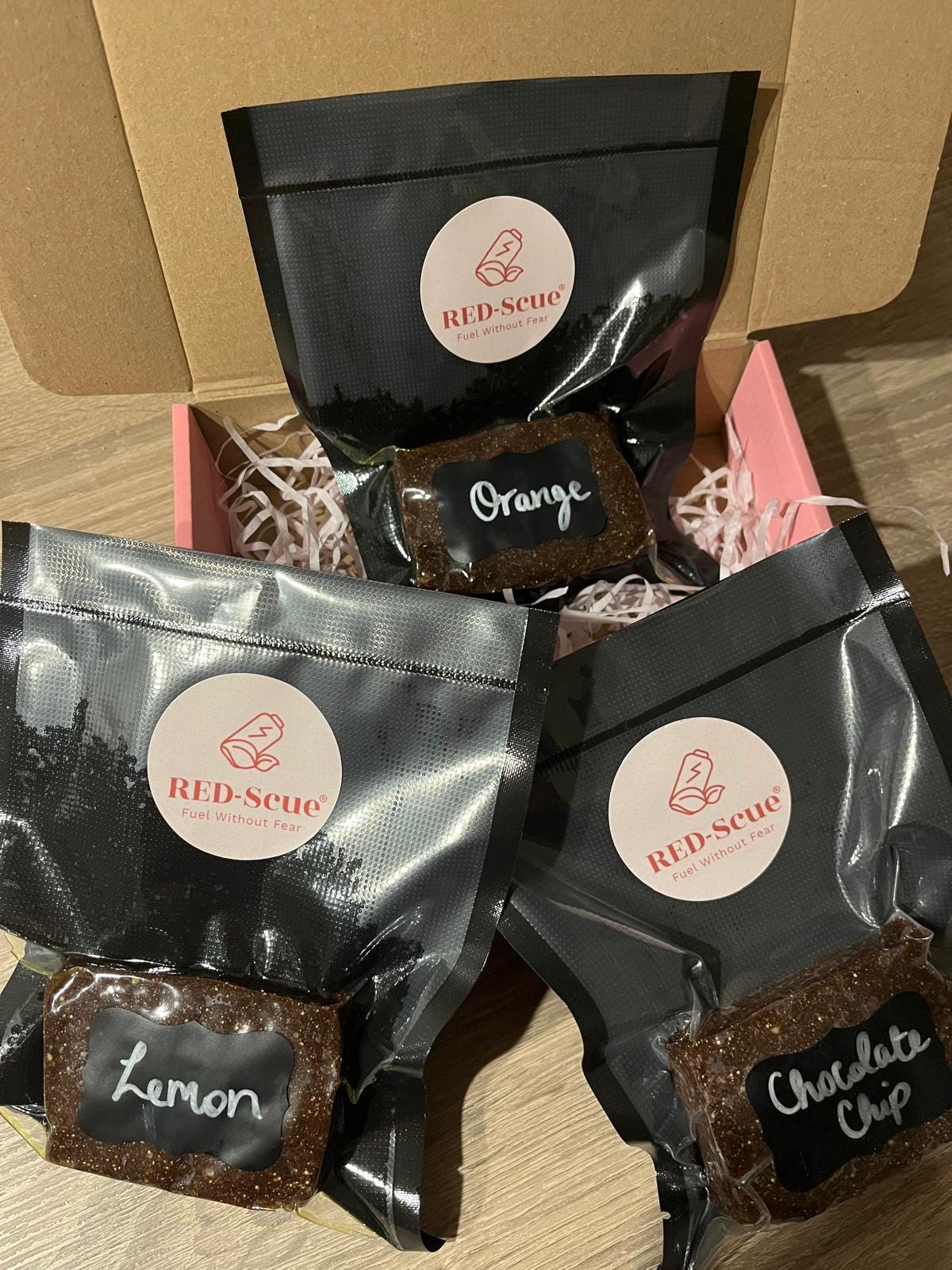
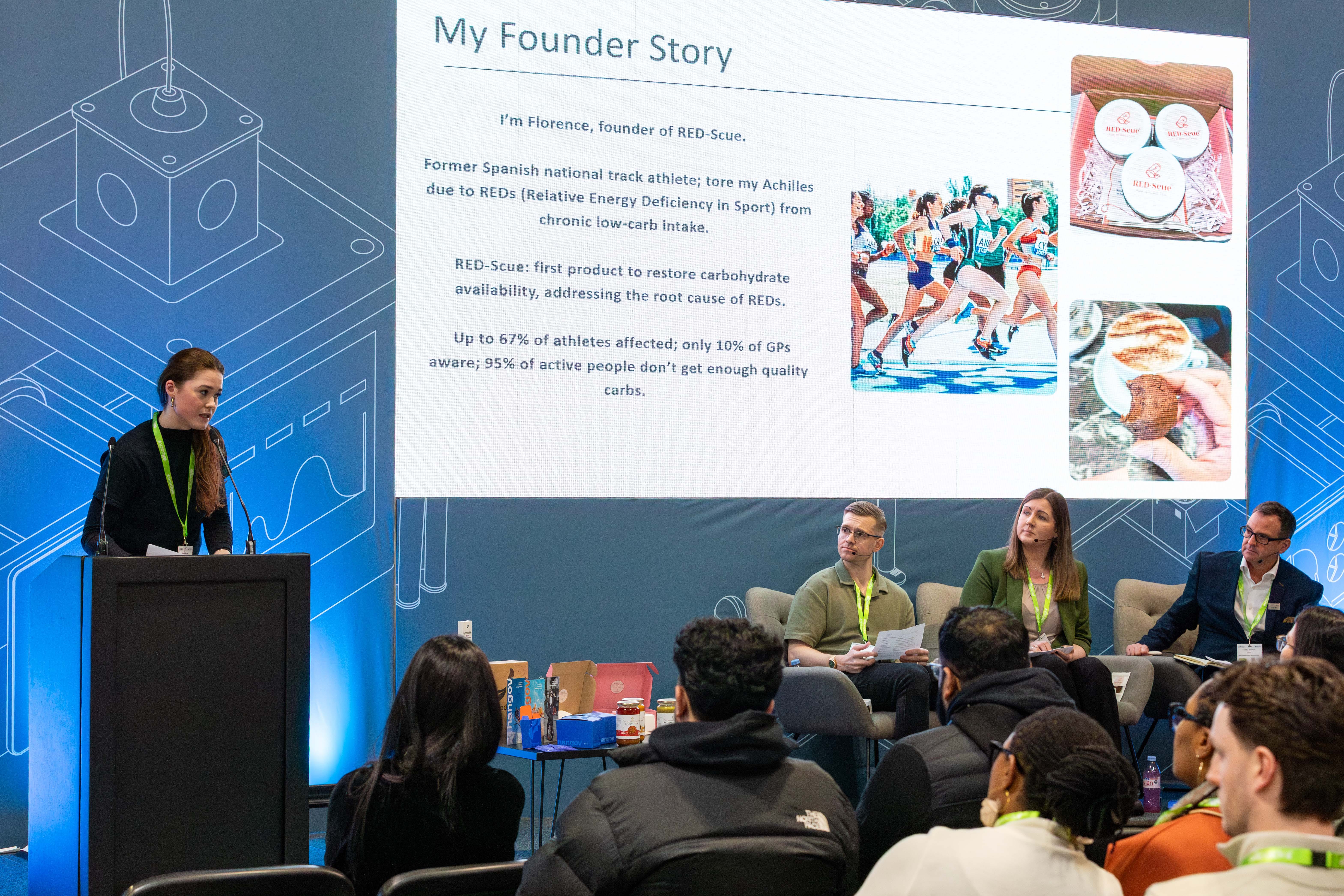
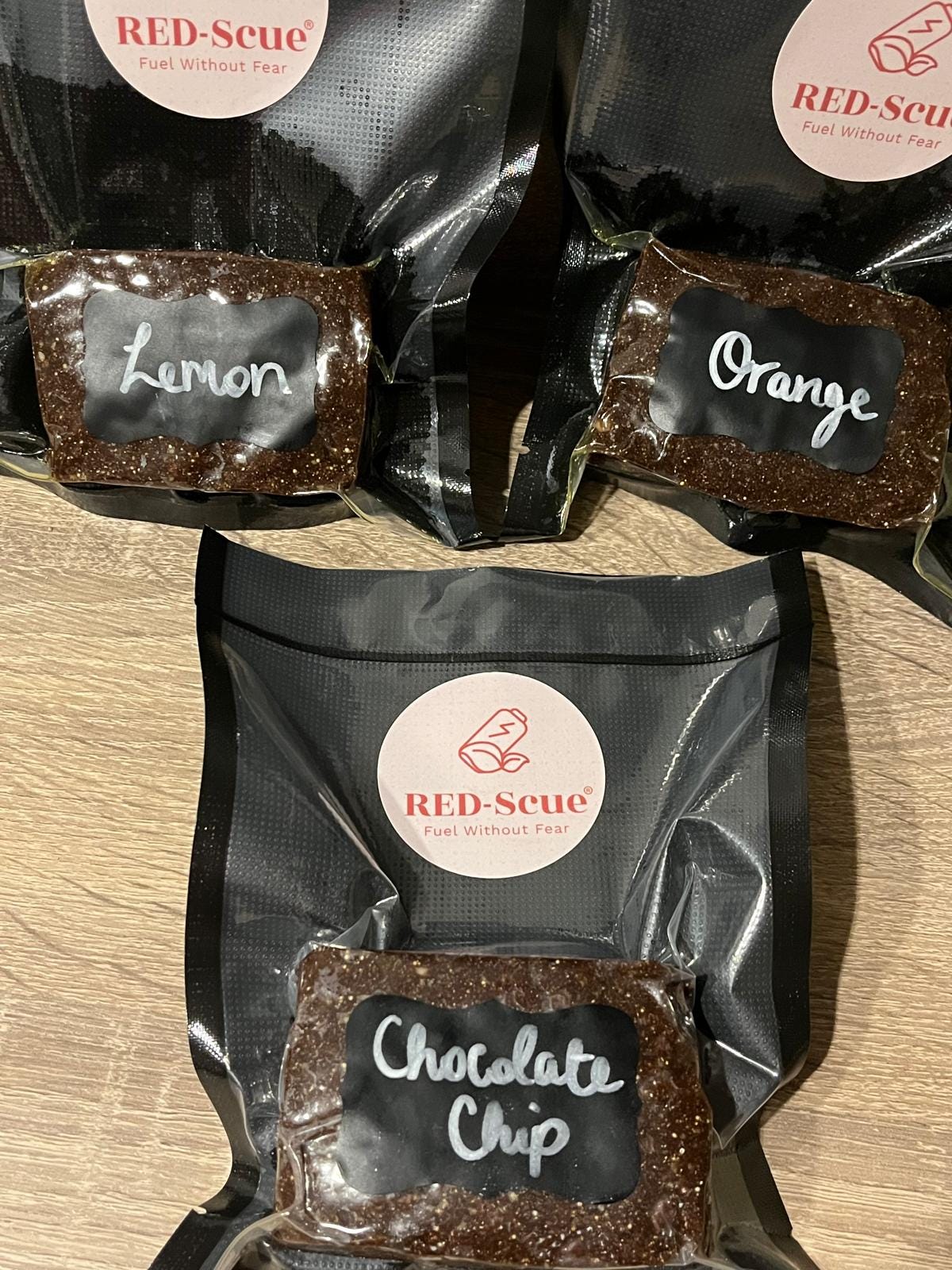
These approaches may help symptom regulation — but they cannot replace energy intake. The foundation of recovery is still food - which is why we include these principles in our on-the-go RED-Scue bars.
Why Carbohydrates Matter for the Gut–Brain–Ovary System
Carbohydrates are not just fuel for training. They are:
-
Primary fuel for the brain
-
Required for thermogenesis (heat production)
-
Essential for gut motility
-
Central to restoring glycogen and recovery
-
Protective against stress-induced hormone suppression
When carbs are chronically restricted:
-
Cold intolerance increases
-
Gut motility slows
-
Training feels harder
-
Hormonal suppression becomes more likely
-
Energy availability drops further
Micronutrients matter too:
-
Iron, zinc, iodine, selenium, B-vitamins support oxygen delivery, thyroid function, hormone synthesis, and circulation
-
Low intake or poor absorption worsens fatigue and cold intolerance
Why RED-S Isn’t About Weight
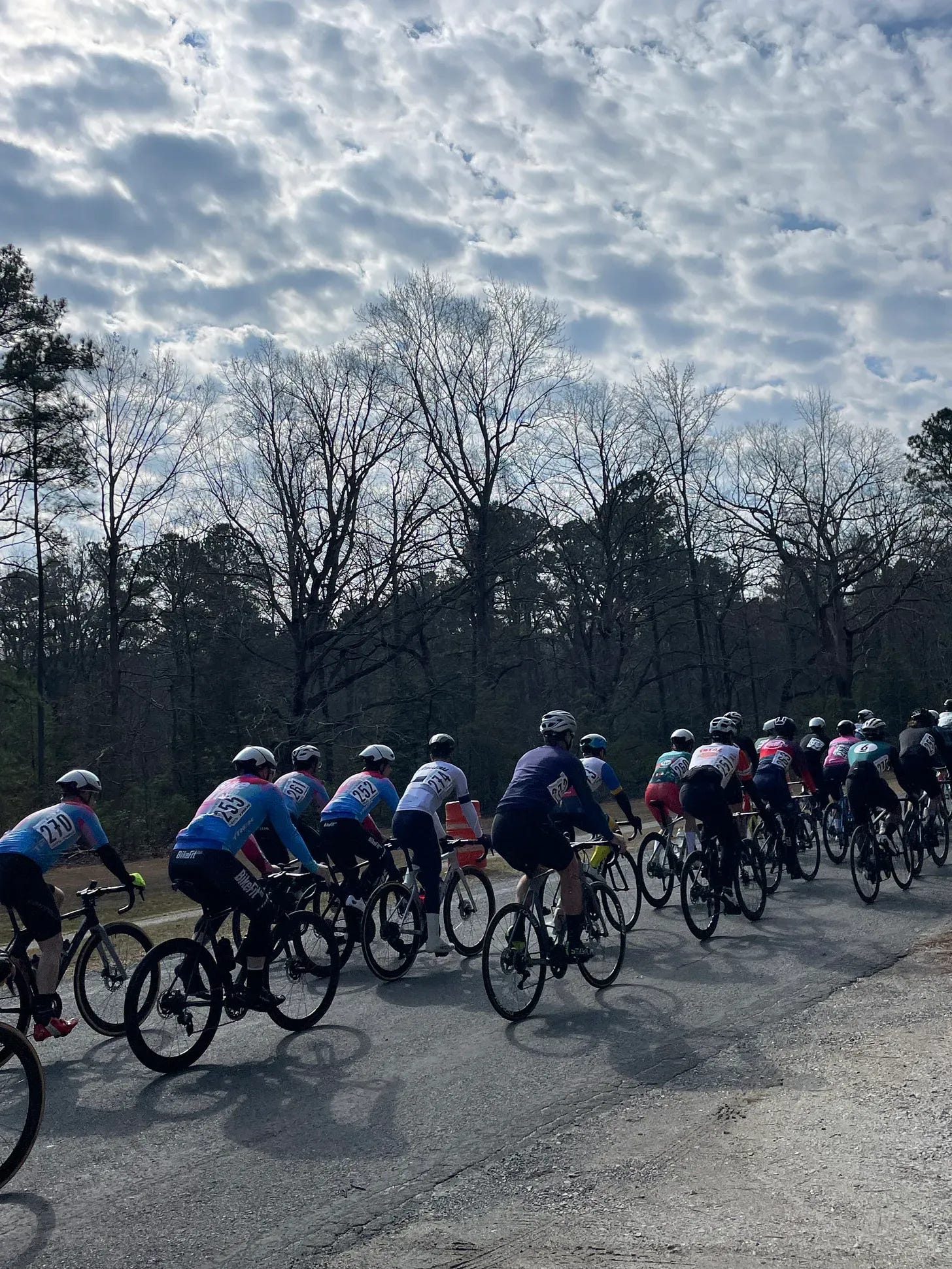
RED-S is often misframed as a body-weight issue. It isn’t.
You can be:
-
Eating “clean”
-
Hitting protein targets
-
Training hard
-
Maintaining weight
…and still be in low energy availability if digestion limits intake, stress suppresses appetite, or carbs are chronically under-consumed.
This is about physiological energy availability, not aesthetics.
Ways to Help
1. Restore energy availability first
Calories + carbohydrates are non-negotiable for circulation, hormones, and gut blood flow (why we built our RED-Scue bars).
2. Modify, don’t eliminate
Short-term low-FODMAP can help IBS — but reintroductions are essential to avoid chronic restriction.
3. Warm, regular meals for sensitive digestion
Helps gut motility and reduces post-meal fatigue.
4. Reduce training load temporarily
Energy restoration requires lower expenditure while intake rises.
5. Micronutrient sufficiency
Iron, zinc, iodine, selenium, B-vitamins.
6. Adjunct therapies can help symptoms
TCM, acupuncture, breathwork, stress regulation — supportive, not replacements for fuel.
The Launch of Our New Bars
RED-Scue energy bars were created specifically for this gap:
-
Easy-to-digest carbohydrates for thermogenesis and circulation
-
Micronutrient support for LEA and RED-S recovery
-
Designed for sensitive guts and high training demands
-
Built on integrative principles:
-
Qi and blood (TCM)
-
Ayurvedic digestive support
-
African endurance fueling traditions
-
The philosophy:
Small symptoms (cold feet, bloating, low energy, brain fog) are often early signs of physiological down-regulation from low energy availability. Making energy accessible, digestible, and consistent is how you reverse that spiral.
The Digestive System is One of the Most Impacted in RED-S/LEA
Gut health is not a side issue in RED-S.
It’s one of the main drivers of energy availability — and energy availability governs:
-
Brain function
-
Circulation
-
Hormones
-
Ovarian health
-
Bone health
-
Recovery
If digestion is struggling, energy flow through the entire system falters.
Fixing symptoms without restoring fuel misses the root cause.
Fuel the gut → restore energy → circulation returns → hormones stabilise → the brain and ovaries recover.
It’s the hardest part of RED-S and yet the least discussed.
I didn’t want to take 1000s of supplements. I needed a go-to snack with all of the macro and micro nutrients I needed - portable, easy to eat, and yummy! That’s why I made our RED-Scue bars x
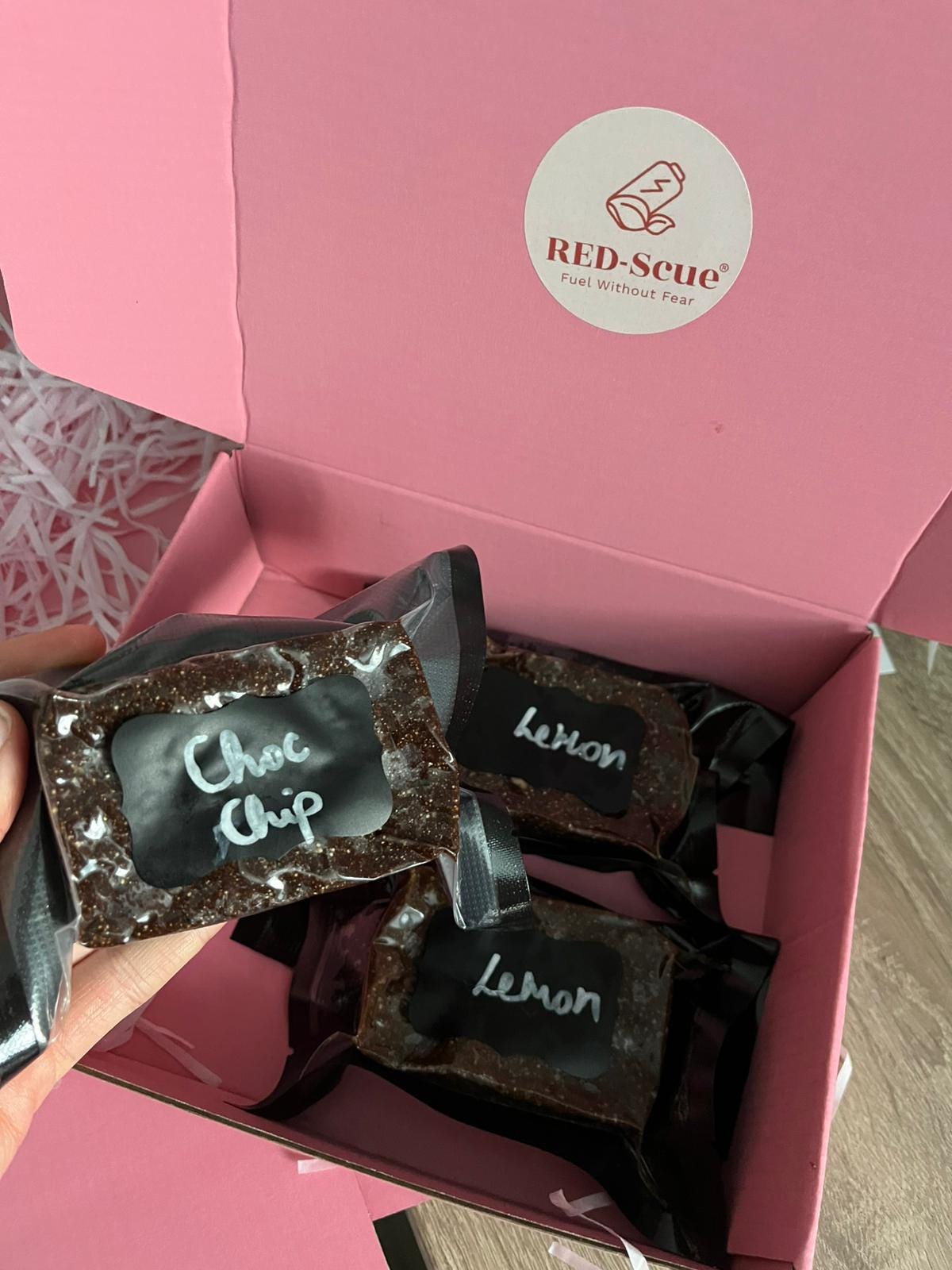
RED-Scue fuels training, thinking, creating, and living fully. Fuel without Fear.
5 STAR REVIEWS
Awards & Recognition:
-
2025 SETSquared UK Product Innovation Award
-
Women of the Future Young Star Award
-
Alibaba Top 30 Product Innovation Europe
-
Finalist, Pitch the Co-Packer (BCMPA) 2026
-
Tasted & Tested by Alistair Brownlee, Sara Davies, and Rio Ferdinand
Website & Socials:
