
A Culture That Doesn’t Allow for Failure — And How It Puts Us at Risk of RED-S
We live in a world that doesn’t allow for failure. From extreme dieting to rigid training schedules, from high-pressure jobs to social expectations, we’re rewarded for pushing through...
RED-S (Relative Energy Deficiency in Sport) is often framed as an “elite athlete problem.” Something that happens to professionals, Olympians, or people training at extreme levels.
But that framing is part of the problem.
In reality, anyone whose energy output consistently exceeds their energy intake is at risk — athletes, busy professionals, shift workers, parents, students, and anyone living in a high-pressure, high-demand environment.
One of the biggest drivers of this mismatch isn’t just lack of knowledge. It’s culture.
We live in a world that doesn’t allow for failure. From extreme dieting to rigid training schedules, from high-pressure jobs to social expectations, we’re rewarded for pushing through and praised for being relentless. Rest is framed as laziness. Taking a day off feels like falling behind. Over time, this shapes rigid patterns around food, training, work, and rest — and those rigid patterns quietly feed chronic energy deficits and RED-S.
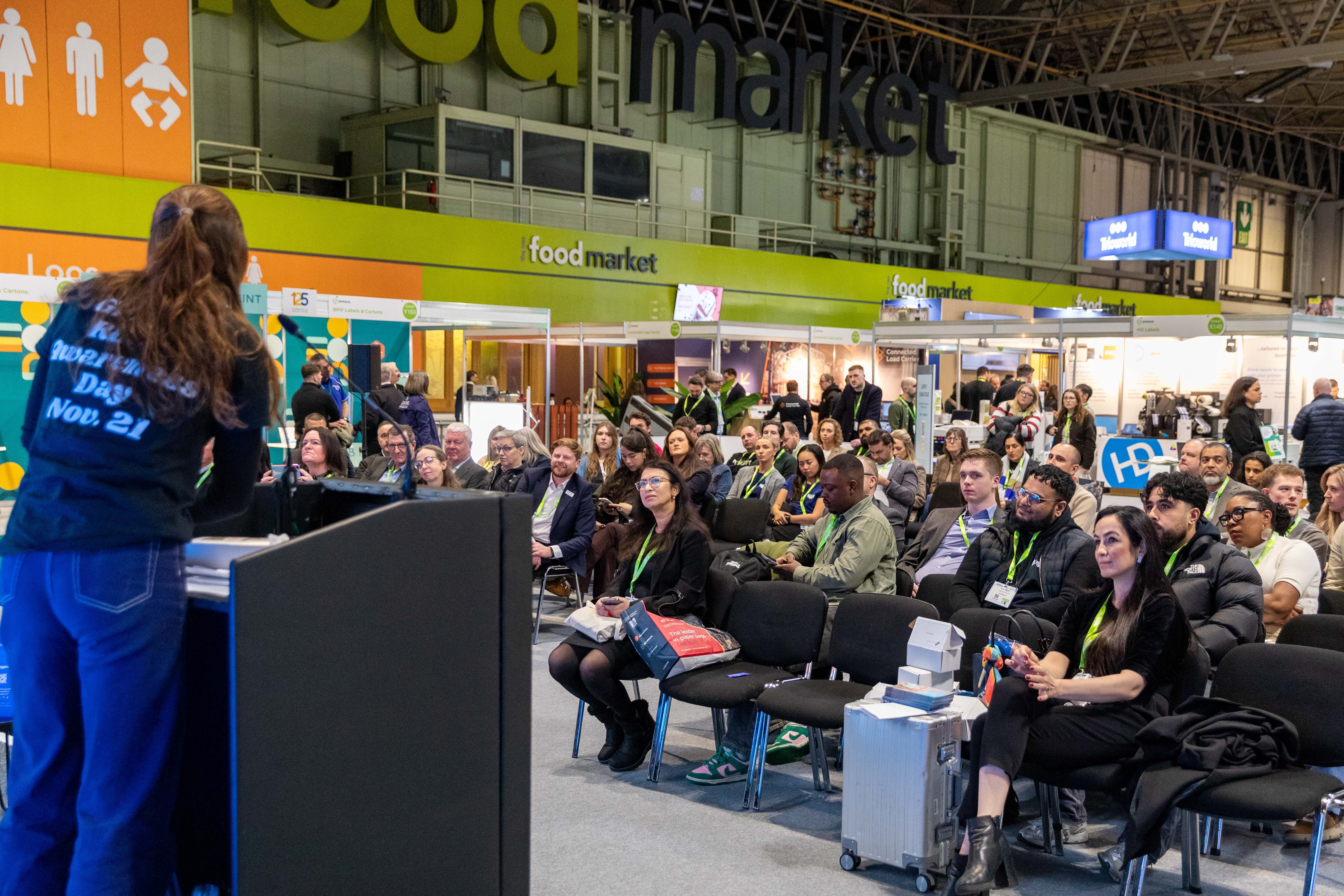
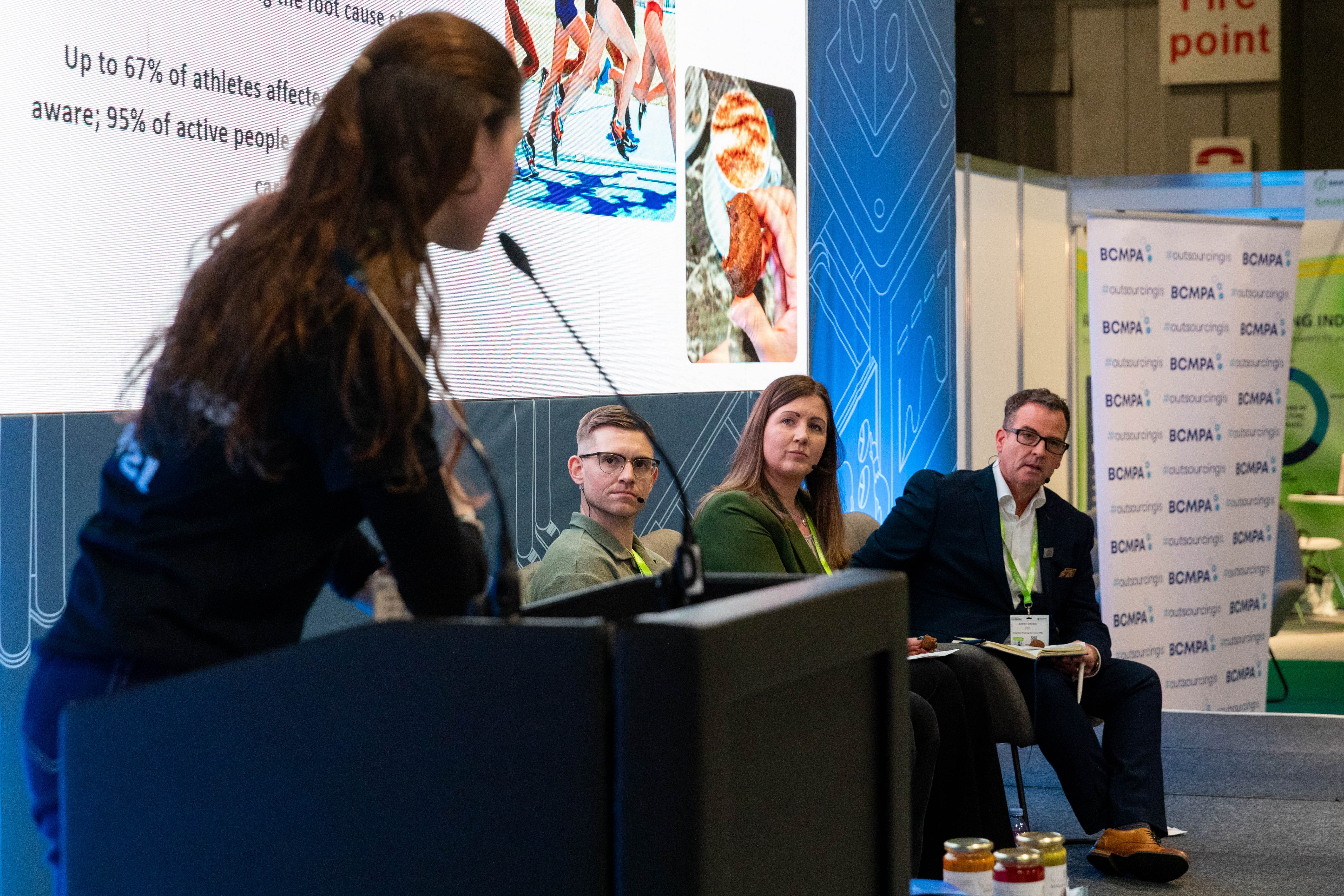
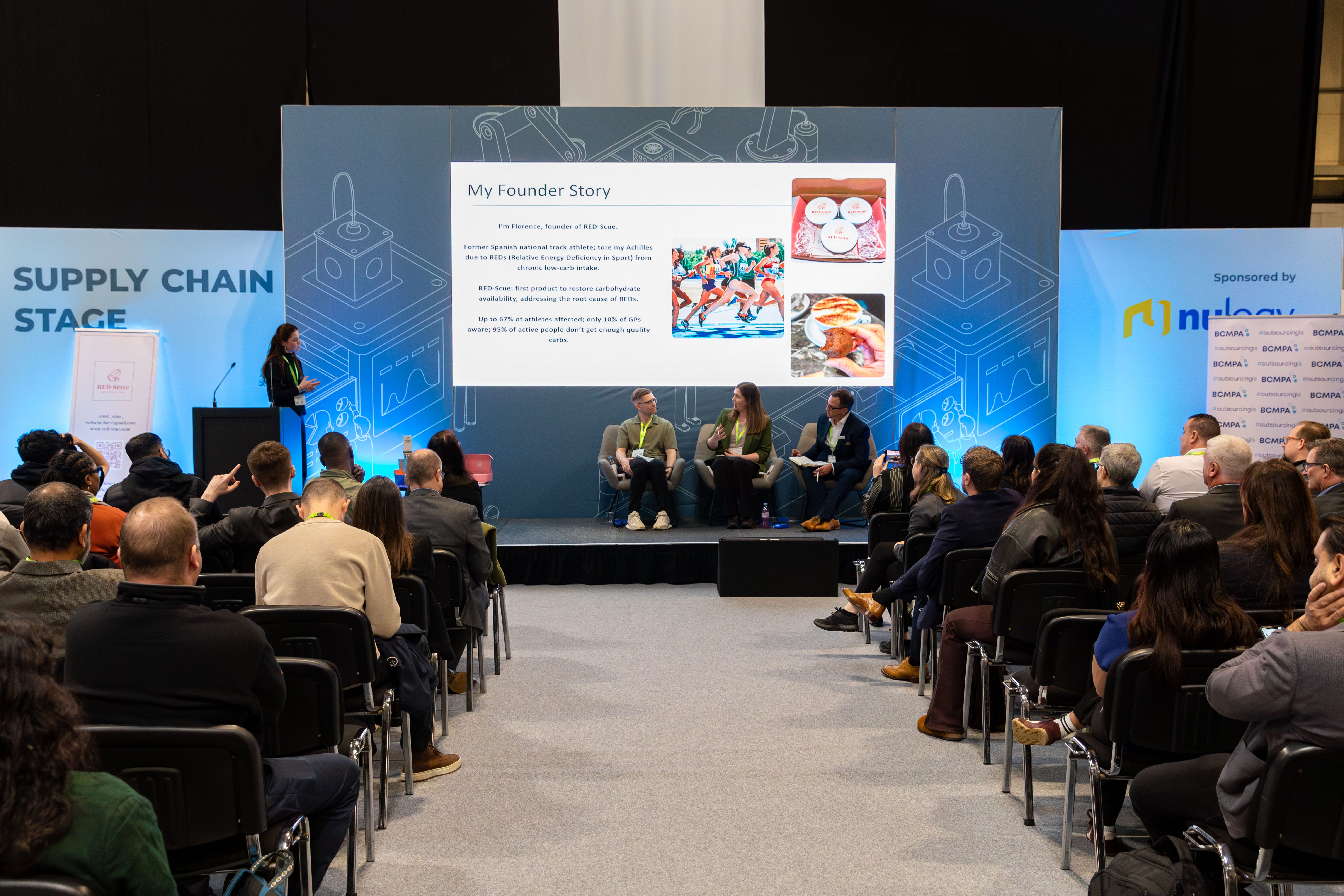
From Crying on Stage to Pitching on Stage
Sharing this alongside shots from Empack 2026 feels surreal.
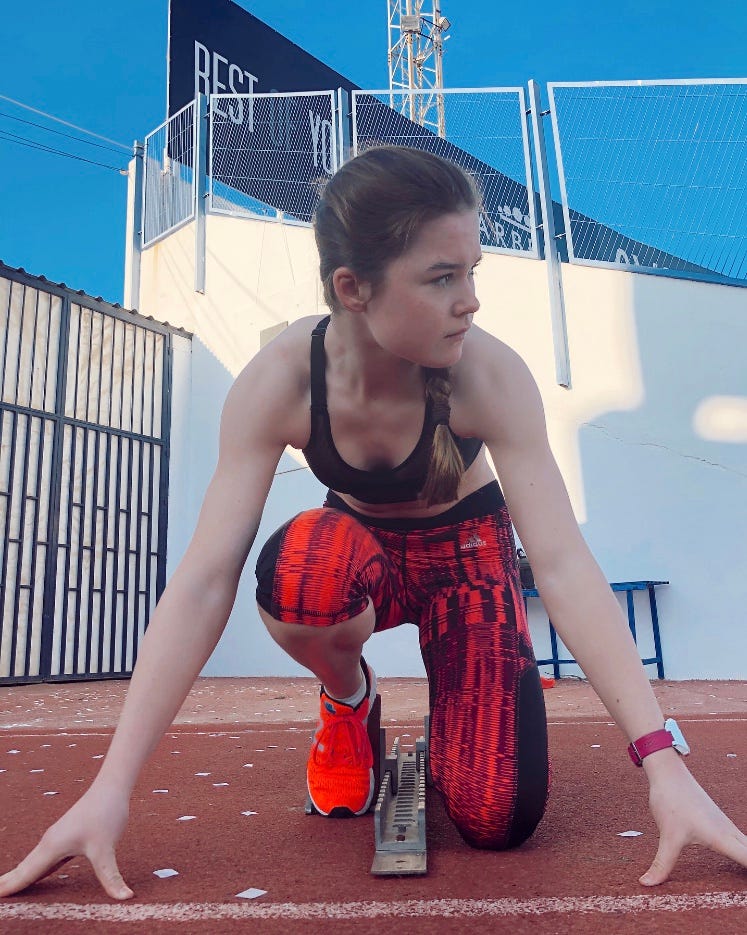
There was a time I couldn’t speak on stage without crying. My identity was wrapped up in sport, performance, and proving myself. Now I’m pitching RED-Scue to leading manufacturers and co-packers, surrounded by a founder community I never imagined I’d be part of. That contrast alone shows how much can change when you’re allowed to rewrite your story.
RED-Scue started as an idea at university, built from lived experience with RED-S and tearing my Achilles in 2021. I went from verbally signing to run track in the USA on a D1 scholarship… to having my whole life flipped overnight. At the time, it felt like everything was ending. In hindsight, it was the beginning of something far more aligned.
Life really can change in an instant.
And sometimes, it changes for the better.
This journey has taught me that healing comes from community, purpose, and being allowed to become someone new when the old path no longer fits.
The Culture of Rigidity and Perfectionism
We glorify discipline, hustle, and perfection. Early mornings. Double sessions. Strict food rules. Relentless productivity. These behaviours are praised as commitment, ambition, and strength. But underneath, they often come from fear — fear of falling behind, fear of being replaced, fear of not being enough.
Social media amplifies this pressure. You don’t just train hard — you perform training. You don’t just eat — you curate it. Identity becomes wrapped up in optimisation, output, and productivity. This creates rigid training routines, rigid food rules, and rigid identities around performance.
The psychological impact of this has a significant impact on your physiology - the stress impacts all part of your brain and mind.
Your body responds to energy availability. When that energy balance is chronically off, the body adapts by downregulating hormones, weakening bone density, slowing recovery, impairing immunity, and increasing injury risk. That’s RED-S (Relative Energy Deficiency in Sport) or in the short-term LEA (Low Energy Availability).
Not a lack of discipline — a biological response to prolonged under-fuelling and stressors on the body and mind.
My Story: Chasing Someone Else’s Expectations
I lived this reality.
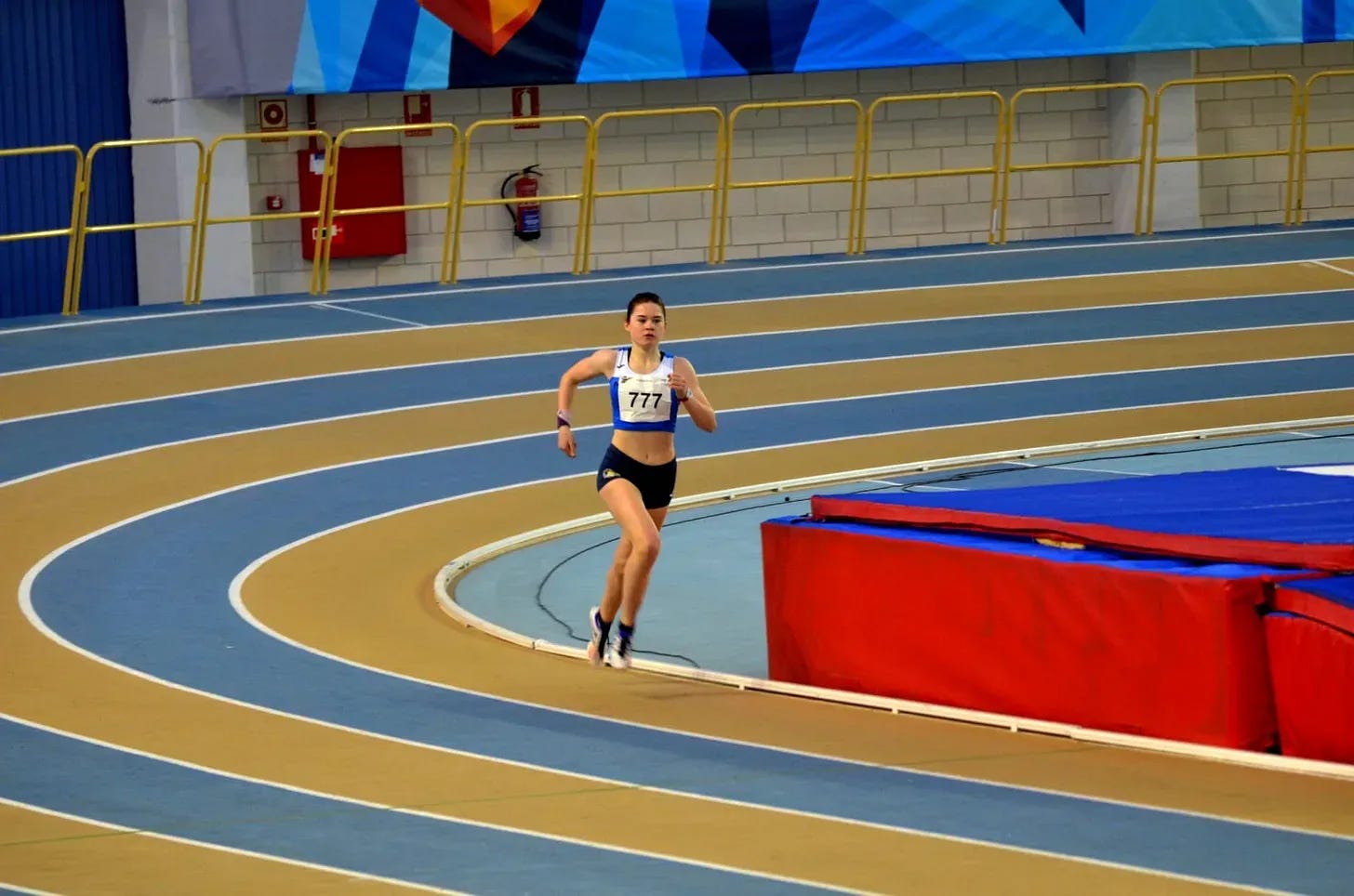
My coach constantly compared me to his “best athlete” and never really saw my true strengths. So I ran doubled days. I trained harder. I pushed through fatigue. I tried to become someone I wasn’t, chasing a version of excellence that wasn’t even aligned with my own body or needs.
In the off-season, I trained in secret, trying to close the gap and prove I could run faster times. During winter training, I tore my Achilles — as a direct result of RED-S and chronic under-fuelling. I lost my D1 scholarship opportunity in the USA. I was out for a year and I was removed from all group chats. And that was the last I heard from my coach.
I was responding to a toxic coaching culture built on comparison, perfectionism, and not being allowed to fail: I was only 17.
Why Fear of Failure Drives RED-S (The Research)
Controlling Coaching Styles
A 2023 study in Frontiers in Psychology (Hu et al.) found that controlling coaching styles increase athletes’ fear of failure by undermining three basic psychological needs:
-
autonomy
-
competence,
-
and relatedness.
When athletes feel controlled, their motivation becomes external. They train not because they want to — but because they feel they have to.
This creates what researchers call constrained commitment.
Athletes stay in harmful environments because they feel trapped by expectations, identity, or pressure. This psychological state is linked to burnout, injury, ignoring hunger cues, training through exhaustion, and suppressing fatigue signals — a perfect setup for RED-S to develop.
Perfectionism and Orthorexia
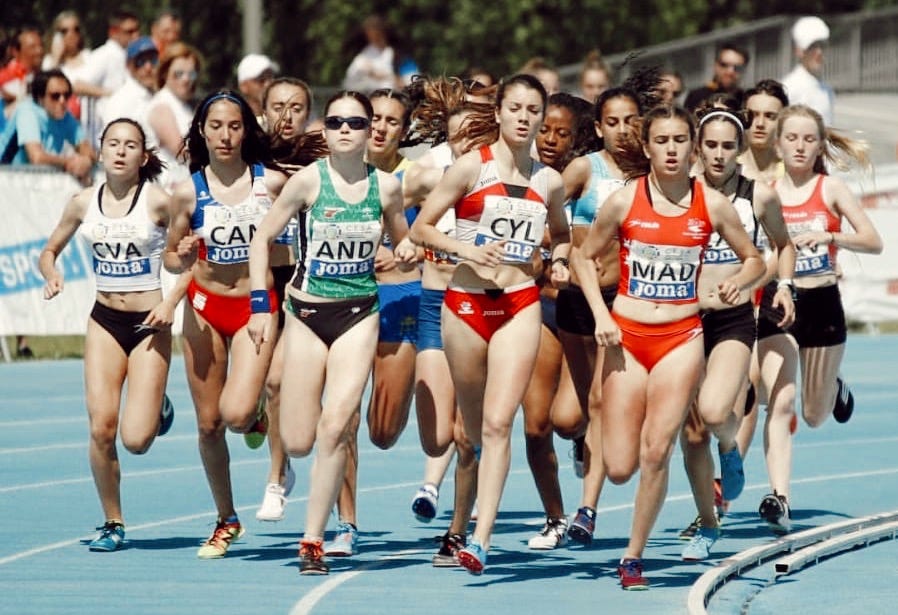
Perfectionism tightens the trap further. A 2024 meta-analysis by Pratt et al. found that both perfectionistic strivings (r⁺ = 0.27) and perfectionistic concerns (r⁺ = 0.25) are strongly associated with orthorexia — rigid, “perfect” eating behaviours that often masquerade as health.
Chasing perfect habits frequently means cutting food groups, fearing carbohydrates, rigid meal timing, and feeling anxious about eating more than planned. Over time, this creates chronic low energy availability.
RED-S doesn’t happen because people don’t care — it happens because they care too much in environments that reward rigidity and perfectionism.
Burnout, Injury, and Energy Deficits
Burnout and RED-S fuel each other. A cohort study of adolescent elite athletes (Moseid et al., 2023) found that higher illness burden, acute injury load, and overuse injury load all predict greater burnout. Athletes who expected to be injured in the future reported even higher burnout scores.
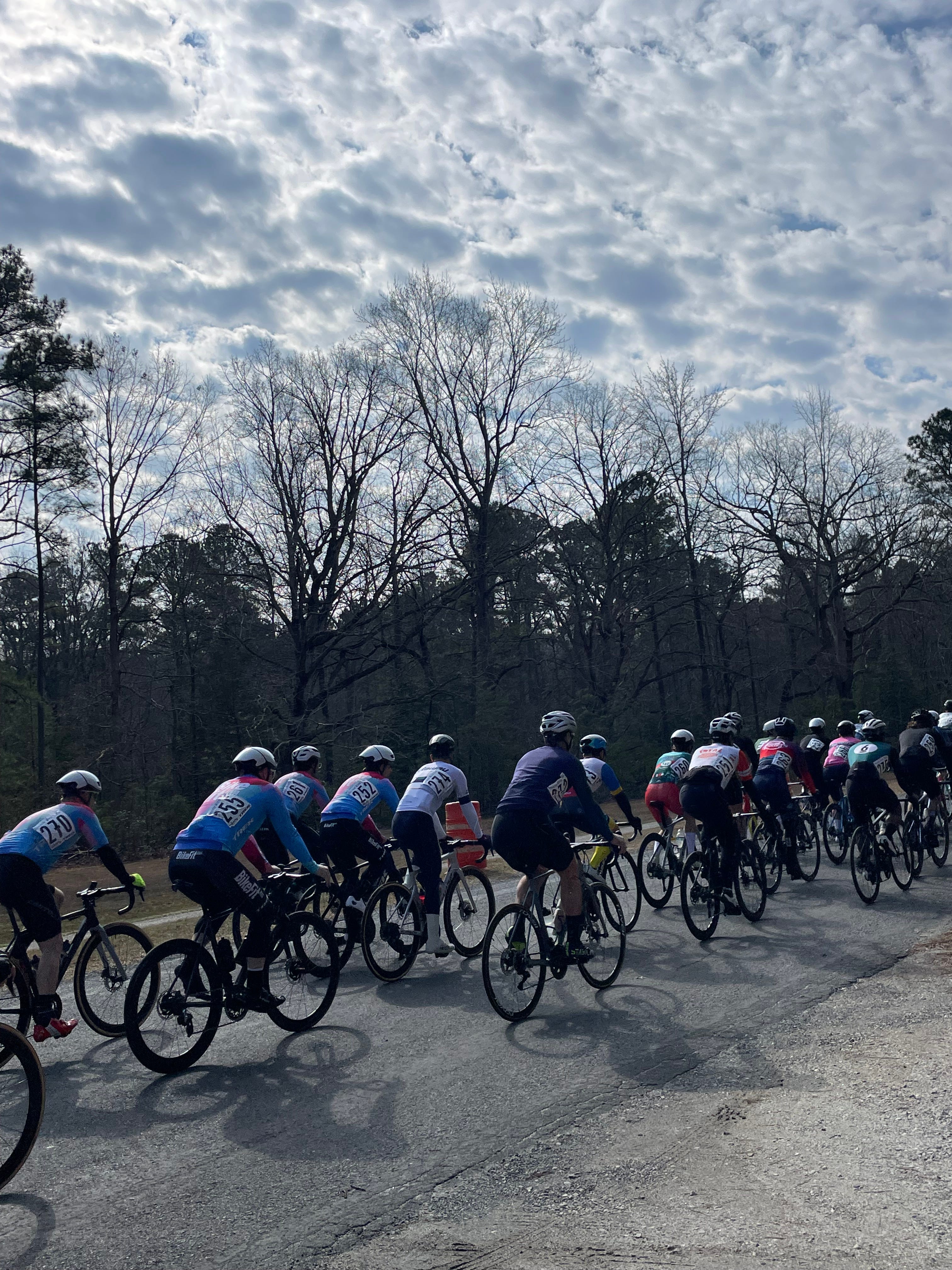
Burnout rarely makes people slow down. More often, it makes them clamp down harder — stricter routines, less flexibility with food, more training, less rest, more control. This creates a vicious cycle: burnout leads to rigidity, rigidity leads to under-fuelling, under-fuelling leads to injury, injury deepens burnout — and RED-S sits right in the middle of it.
Youth Sport: Overtraining Before It Even Starts
RED-S doesn’t start in elite sport. It often starts in childhood.
Statistics prove that youth athletes now train more than many professionals. Professional baseball players, for example, have a 5–6 week pre-season and months off afterwards, with games spread over six months. Youth sport often involves year-round training, overlapping teams, early specialisation, and minimal rest.
The American Academy of Pediatrics (Brenner et al., 2024) reports that around 35% of athletes develop overtraining syndrome by adulthood, and up to 70% of children quit organised sport before age 13 due to burnout and loss of enjoyment.
Contributing factors include
-
perfectionism
-
strong athletic identity
-
extrinsic pressure from adults, and
-
high training volume with low recovery.
When children grow up in cultures that don’t allow rest, flexibility, or failure, they learn to override hunger, fatigue, and boundaries early. RED-S becomes a long-term risk, not a sudden problem.
Fuel, Rest, and the Freedom to Fail
Prevention starts with culture change. In sport, work, and life, we need environments that allow people to eat without guilt, rest without shame, adapt without fear, and fail without losing their worth.
You are more than your metrics.
More than your grades.
More than your reps, miles, or performance stats.
Only when failure is allowed can performance, health, and growth actually last.
We see this from the track to academics and professional life. It is applicable to all.
RED-Scue: Built From Lived Experience
RED-Scue exists because of this'; a response to a system that normalises running on empty. What started as my injury and RED-S diagnosis became a mission to help people fuel properly in environments that reward doing more with less.
RED-S is not a willpower problem.
It’s not a discipline problem.
It’s not a motivation problem.
It’s a systems problem.
It’s what happens when people are taught to override their bodies to meet expectations. When failure isn’t allowed, people stop listening to hunger. They stop respecting fatigue. They stop adjusting intake to output. They stop resting when stressed. Over time, low energy availability becomes normalised — until something breaks.
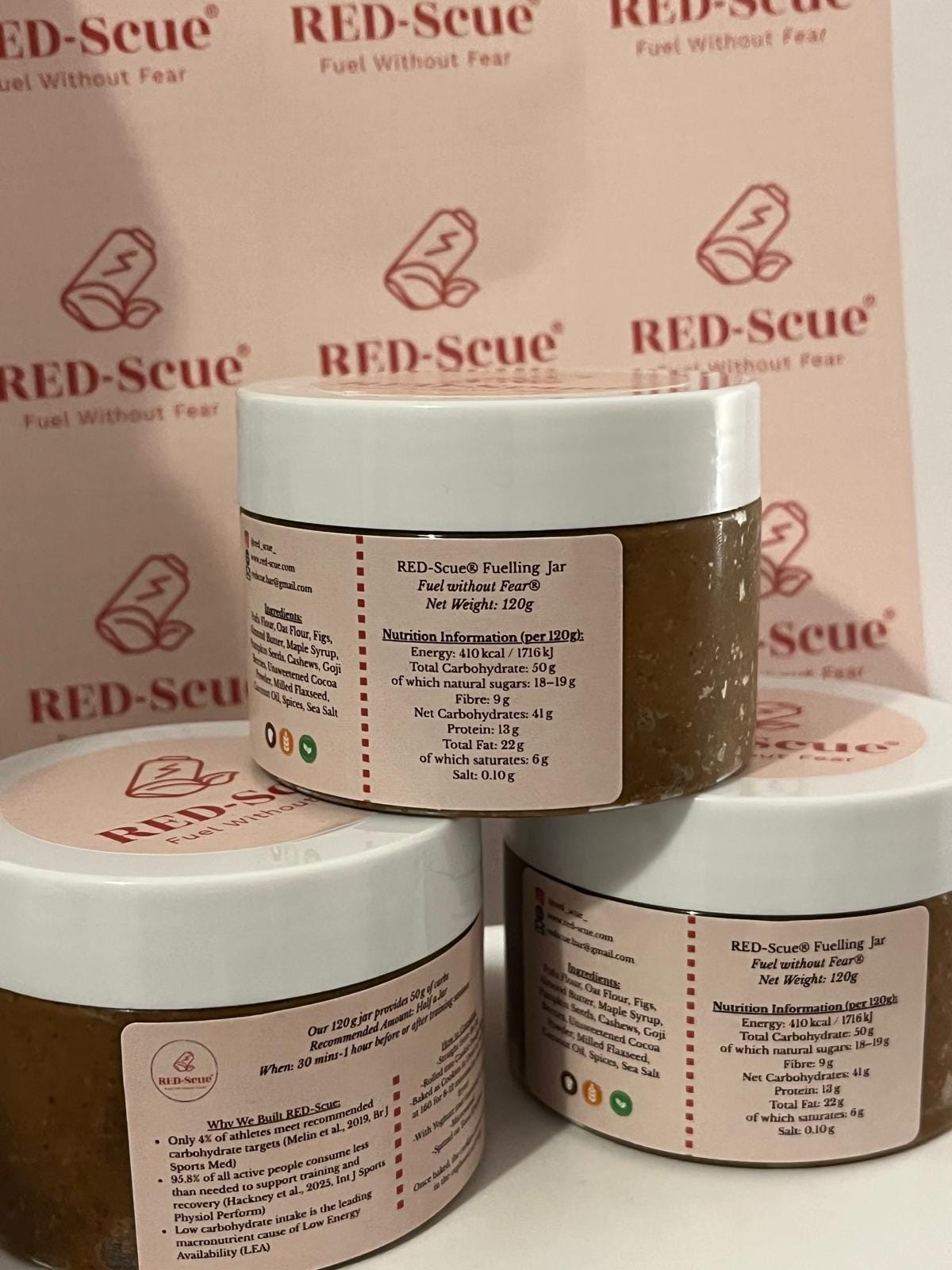
And now our new RED-Scue Energy Bars will release on Feb 25th: the 1st bar that naturally provides the key micronutrients most affected in RED-S — iron, calcium, vitamin D, vitamin C, magnesium, and zinc — plus the energy from carbohydrates, the main macronutrient deficiency in RED-S and LEA.
References
Pratt VB, Hill AP & Madigan DJ (2024). Multidimensional perfectionism and orthorexia: a systematic review and meta-analysis. Eating and Weight Disorders, 29(1):67. https://doi.org/10.1007/s40519-024-01695-z.
Brenner JS, et al. (2024). Overuse Injuries, Overtraining, and Burnout in Young Athletes. Pediatrics, 153(2):e2023065129. https://publications.aap.org/pediatrics/article/153/2/e2023065129/196435/Overuse-Injuries-Overtraining-and-Burnout-in-Young.
Moseid NFH, et al. (2023). Injury burden predicts burnout in adolescent athletes. PMC9990658. https://pmc.ncbi.nlm.nih.gov/articles/PMC9990658/.
