We Didn’t Stop Under-Fuelling. We Just Started Calling It “High Protein.”
Why athletes are still energy deficient, why carbs are still missing, and why it’s breaking performance, hormones, bones, and gut health.
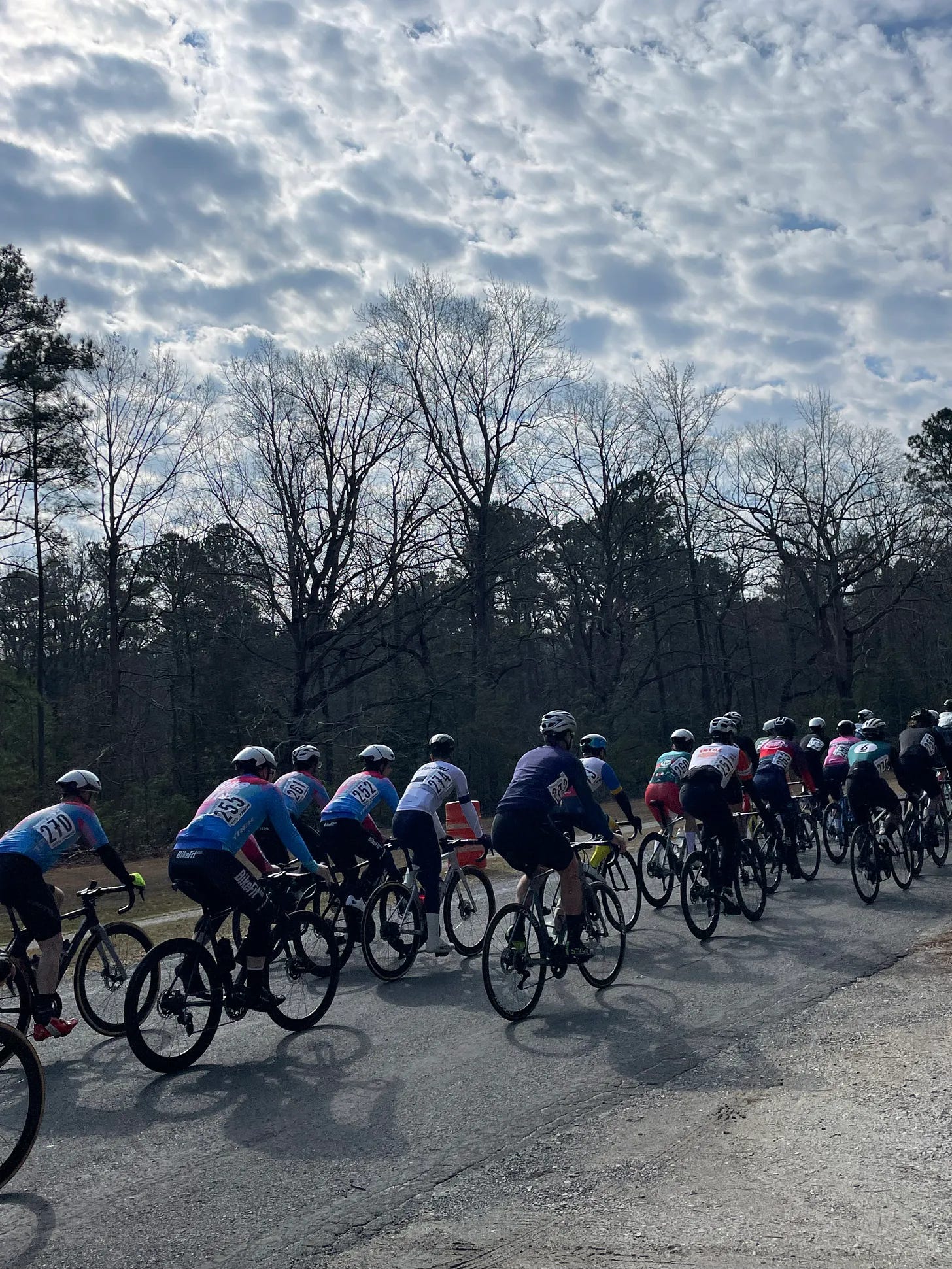
We are in the middle of a global endurance boom. Marathon participation, ultra events, HYROX and mass-participation races are all rising. At the same time, Relative Energy Deficiency in Sport (REDs) is more prevalent than ever.
And here’s the uncomfortable truth:
We didn’t fix under-fuelling. We just rebranded it as “high protein.”
The scale of the problem: athletes are not eating enough
NURMI Study (211 endurance runners, 57% women)
Runners across:
-
10km
-
Half marathon
-
Marathon / ultra
Findings:
-
❌ NO meaningful difference in most diet categories between distances
-
❌ The athletes doing the most work did not eat more or better
-
✅ Only difference: 10km runners ate MORE fruits, vegetables and protein than marathon/ultra runners
The people training the most are not fuelling the most.
The physiology is not ambiguous
ISSN Ultra-Endurance Position Stand:
For training:
-
~ 60% of energy from carbohydrates
-
5–8 g/kg/day carbs to prevent glycogen depletion
-
Protein: ~1.6 g/kg/day (up to 2.5 g/kg/day in extreme loads)
For racing:
-
150–400 kcal/hour
-
30–50 g carbs/hour
-
Fluids: 450–750 ml/hour
-
Sodium often needs to be >575 mg/L
Yet in real life, athletes are eating nowhere near this.
REDs is everywhere — and it’s not subtle
Endurance athletes study (55 athletes):
-
77% of women at risk of LEA (via LEAF-Q)
-
31% of men had low lumbar bone mineral density
-
Women with low BMD had:
-
History of amenorrhea
-
Clear LEA risk
-
Aesthetic sports (China, 166 athletes):
-
41.6% at risk of LEA
-
57.2% high eating disorder risk
-
In elites:
-
55.8% LEA risk
-
53.8% amenorrhea
-
Lower estradiol
-
Lower whole-body BMD
-
-
Whole-body BMD strongly correlated with LEAF-Q score (r = -0.667)
Recreational athletes:
-
50% at risk of LEA
-
46% menstrual disturbances
-
37.5% menstrual dysfunction
“But weight loss improves performance”, right?
❌ No!
2023 controlled trial:
-
10 days of LEA (25 kcal/kg FFM/day) vs OEA (50 kcal/kg)
-
Results:
-
↓ Muscle glycogen
-
↓ Sprint ability
-
↓ 4-min time trial performance
-
↓ Force development
-
-
2 days of refeeding:
-
Partial recovery
-
Still worse than fully-fuelled group
-
-
Even relative to body mass, performance did not improve
Losing weight did not improve the power-to-weight ratio.
The “high protein” trap
Yes, protein matters.
But:
-
Protein does not:
-
Restore glycogen
-
Fix hormonal suppression
-
Normalise immune function
-
Reverse REDs
-
When carbs are cut, people replace them with:
-
More protein
-
More fat
This causes:
-
Lower total energy intake
-
Worse gut tolerance
-
Worse recovery
-
Worse training quality

Gut health makes this even harder
High-protein, low-carb patterns:
-
Increase proteolytic fermentation: helps breakdown proteins in foods.
-
Reduce SCFA (Short-chain fatty acids) production: they are produced in the gut through the fermentation of dietary fibres by gut bacteria, playing a crucial role in gut health and overall well-being.
-
Increase bloating, discomfort, gut stress signals (Khan et al., 2023)
REDs itself also:
-
Disrupts gut motility
-
Increases sensitivity
-
Suppresses appetite
So athletes get trapped:
“I can’t eat carbs because my gut is bad.”
“My gut is bad because I’m under-fuelling.”

Even short-term low-carb is harmful
5–6 day LCHF studies (Burke 2021, McKay 2022):
-
Alter iron regulation
-
Alter immune responses
-
Increase stress hormone responses
-
Impair high-intensity performance
And:
These effects occurred even without severe calorie restriction.
Low carbohydrate availability alone is enough to cause harm (Lodge et al., 2023)
The US 2026–2030 Dietary Guidelines: a step forward — but still vague for athletes
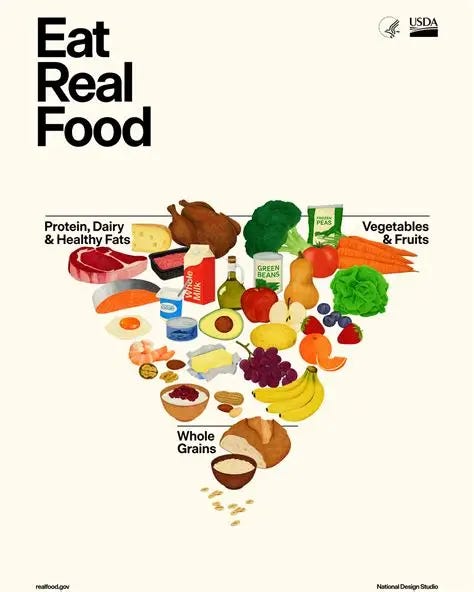
The new US guidelines released this week (Jan 6th) say to:
-
Eat real food
-
Prioritise whole grains
-
Reduce refined carbs
-
Base meals on:
-
Protein
-
Dairy
-
Vegetables
-
Fruits
-
Healthy fats
-
Whole grains
-
They also highlight:
-
70%+ of adults overweight
-
Nearly 1 in 3 adolescents prediabetic
-
90% of healthcare spend goes to chronic disease
But they do NOT specify:
-
Carb targets for training
-
Energy needs for sport
-
The reality of REDs
So athletes still default to:
“High protein, low carb, eat clean, stay light.”
What athletes need
-
Carbohydrate first
-
In digestible, accessible forms to make carb intake a daily habit
-
Often:
-
Liquid
-
Soft
-
Low-FODMAP
-
Frequent
-
Examples:
-
Rice, potatoes, oats
-
White bread, sourdough
-
Rice pudding, porridge, smoothies
-
Maltodextrin / glucose drinks
-
Bananas, blueberries
-
RED-Scue Jars
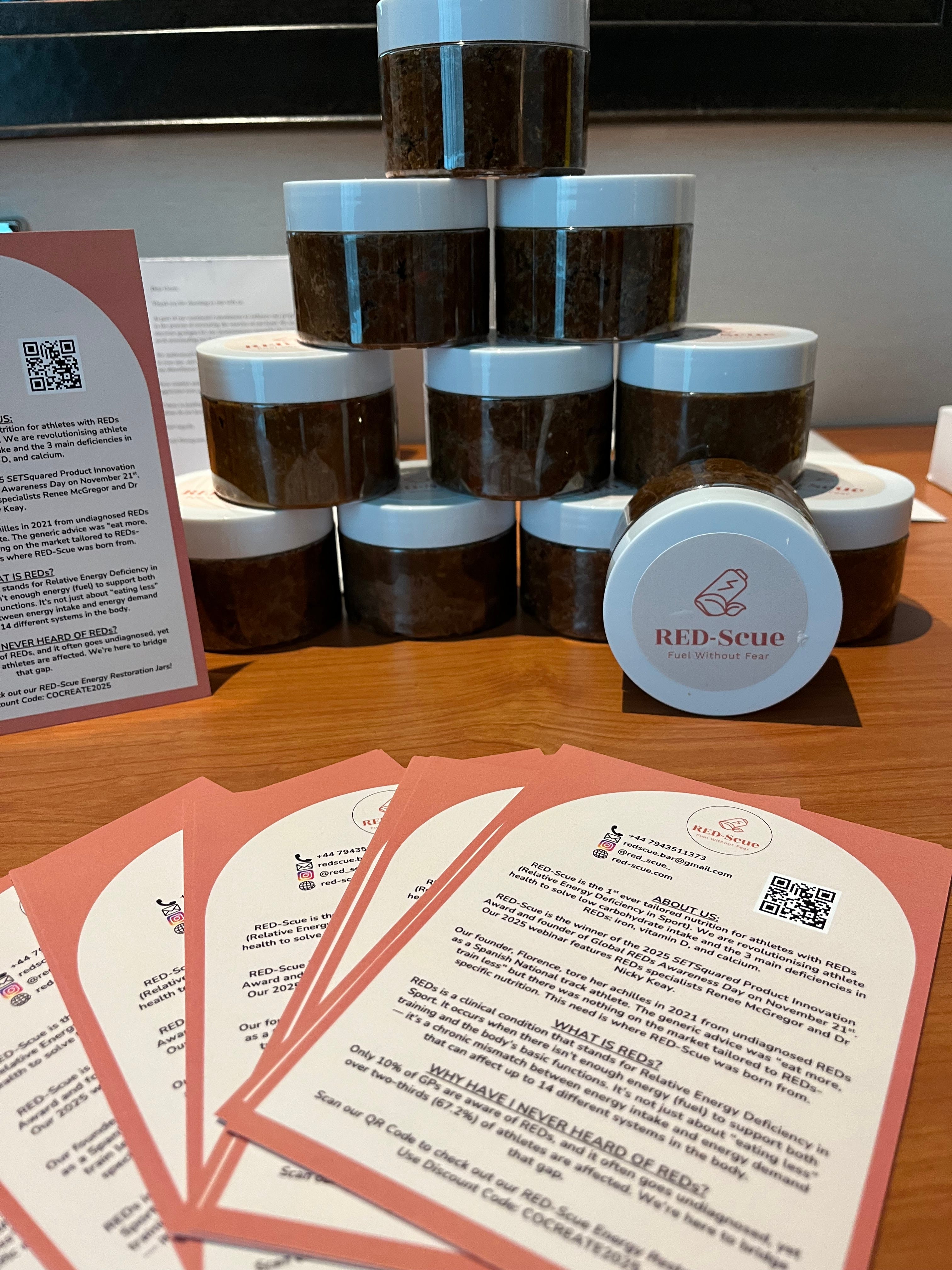
Why RED-Scue exists
RED-Scue jars are built to:
-
Close the energy gap
-
Maintain glycogen
-
Support hormones, bone, immune system, recovery
-
Make fuelling:
-
Simple
-
Gentle
-
Easy and Accessible
-
-
Make under-fuelling harder than fuelling
Not protein bars.
Not diet food.
Not appetite suppression.
We are not in a protein deficiency crisis.
We are in an:
Energy and carbohydrate availability crisis.
Until we fix that:
-
REDs will persist
-
Bone stress injuries (BSIs) will increase
-
Hormones will stay suppressed
-
Guts will stay inflamed
-
And performance will stay capped
This is why our mission is to provide sufficient carbohydrates to athletes, active people, and spread the word of the importance of carbohydrates for EVERYONE #highcarbrevolution
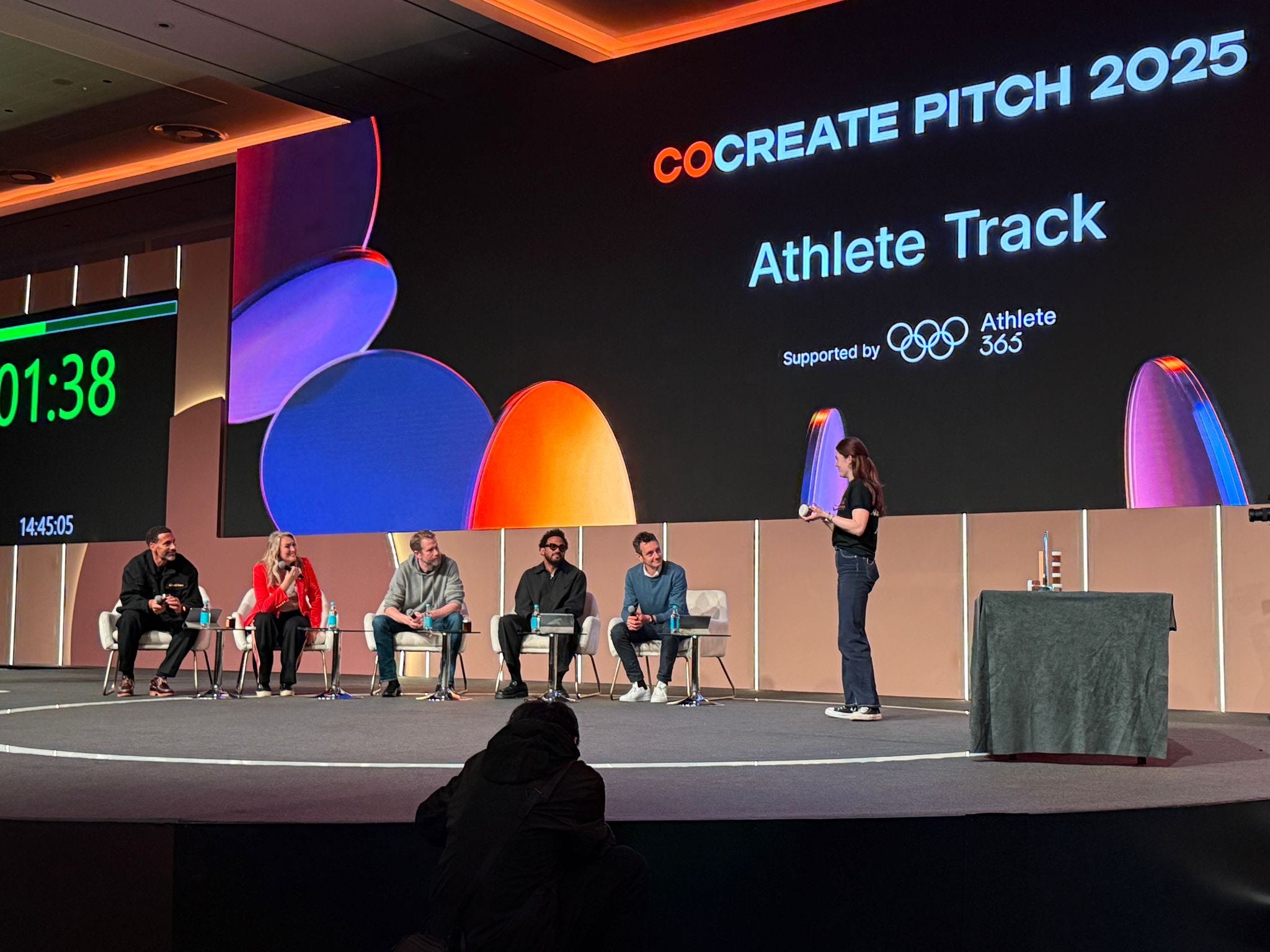
We convinced Sports legends, Rio Ferdinand and Alistair Brownlee and former Dragons Den star, Sara Davies of the importance of sufficient carb intake and how high protein trends have taken over. Can we convince you?
Key References
-
McKay AKA et al. Six days of low carbohydrate, not energy availability, alters the iron and immune response to exercise in elite athletes. Med Sci Sports Exerc. 2022
-
Burke LM. Adaptation to a low carbohydrate high fat diet is rapid but impairs endurance exercise metabolism and performance despite enhanced fat oxidation. J Physiol. 2021
-
Lodge M-T et al. Considerations of Low Carbohydrate Availability (LCA) to health and performance of athletes. Nutrients. 2023
-
Khan I et al. Nutrition to support gut health and the microbiome in athletes. Front Nutr. 2023
-
Tanous D et al. Associated with Race Distance – Results from the NURMI Study (Step 2). Nutrients. 2022
-
US Department of Health and Human Services & USDA. Dietary Guidelines for Americans 2025–2030.
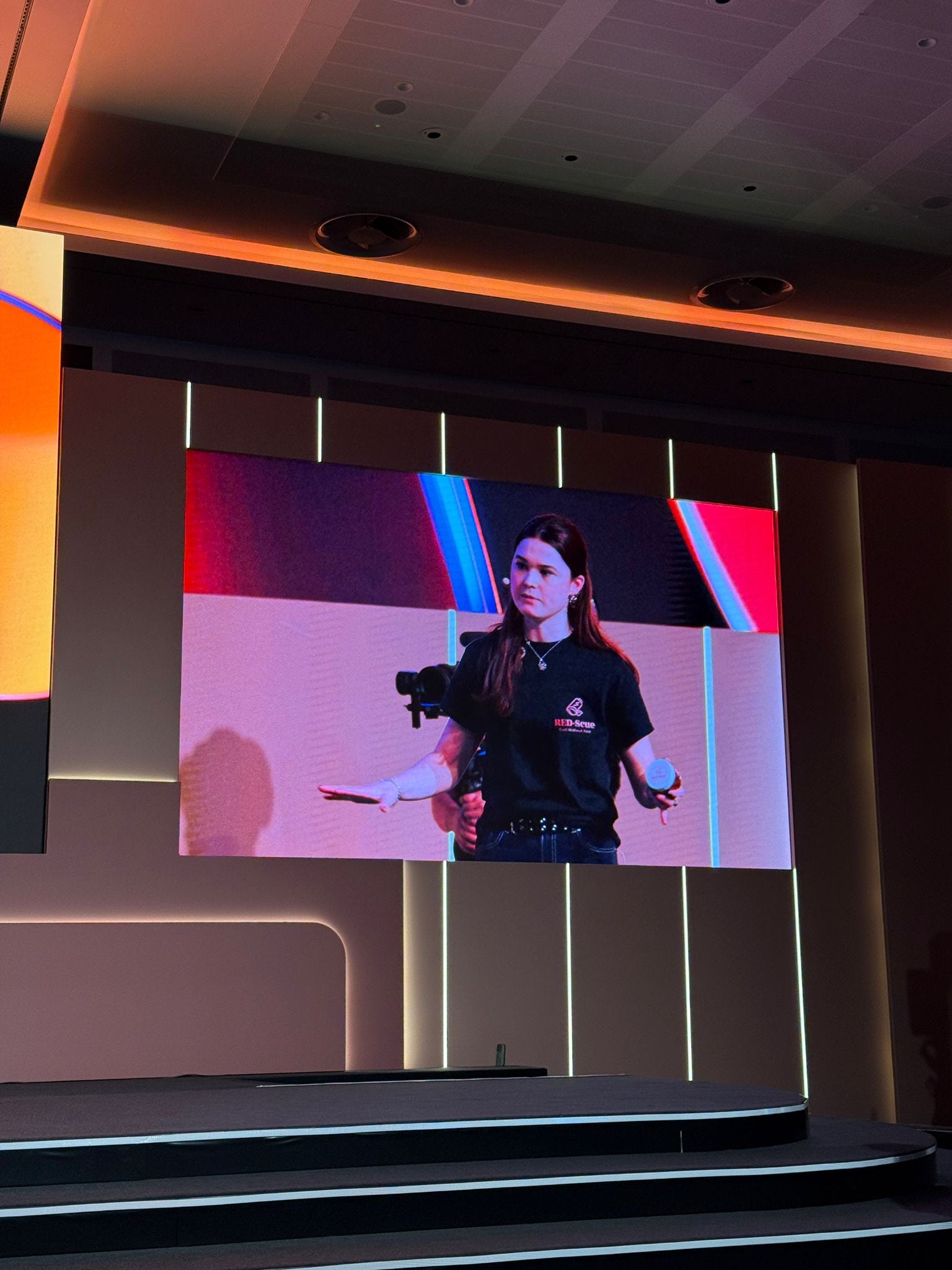
RED-SCUE: As Seen on Co Create 2025 at the O2 in London.
Website & Socials:
-
Shopify: RED-Scue
-
Instagram: RED-Scue™ (@red_scue_) • Instagram photos and videos
-
LinkedIn: https://www.linkedin.com/company/red-scue/
-
Campaign: https://awareness-days.co.uk/awareness-day/global-reds-awareness-week/2025-11-18/