"As someone always on the go at work and who trains hard in the gym this product is great; tasty, healthy and easily digestible."
RED-Scue: Qi, RED-S, and Functional Energy
And The Antidote to the Rise of Protein Commercialisation
In today’s fitness and wellness culture, carbohydrates have become the boogeyman, while protein is hailed as the superhero. From Atkins to Keto, from social media hashtags to protein bars and powders, carbs are blamed for weight gain, sluggishness, and inflammation — while protein is marketed as essential for strength, recovery, and success.
But the truth is: carbohydrates are the body’s primary fuel. For athletes, high-intensity exercisers, and anyone recovering from under-fuelling (RED-S), carbs are indispensable. This is why RED-Scue was created: a whole-food, carb-first functional energy solution that blends African endurance fuelling, Ayurvedic nutrition, and Qi-supporting principles.
The Rise of Protein Commercialization
Protein has not only become a health trend—it’s become big business.
The global protein market is currently valued at $27.5 billion, expected to nearly double by 2030 (Cargill, 2025).
Protein powders, bars, enriched cereals, shakes, and even protein “coffee creamers” dominate retail shelves.
Social media amplifies this trend: hashtags like #protein and #proteinshake have millions of posts.
Consumers are encouraged to focus on grams of protein over energy balance or carbohydrate intake, often crowding out essential carbs and fiber.
Why this matters: high-protein diets can strain kidneys, increase risk of heart disease (if sourced from red or processed meats), and reduce carbohydrate intake—critical for glycogen replenishment, recovery, and endurance.
Why Carbs Matter (and Why Protein Alone Isn’t Enough)
Carbohydrates restore muscle glycogen, fuel the brain, and create an anabolic environment that helps muscles recover and grow. Fiber-rich carbs like oats, beans, sweet potatoes, and whole grains also support:
Gut microbiome health
Blood sugar regulation
Digestive efficiency
Excess protein, while necessary, can lead to:
Kidney strain from excess amino acids
Higher risk of heart disease and colon cancer if sourced from processed meats
Crowding out carbs and fiber, leading to fatigue and poor recovery
Scientific insights:
Rugby players consuming a high-carb diet preserved oral immunity during heavy training loads, whereas protein-focused diets did not (Costa et al., 2013).
Kenyan endurance runners consume carb-rich, plant-based diets (maize, beans, teff, cassava) and maintain slight negative energy balance without compromising performance (Wilber & Pitsiladis, 2012; Onywera et al., 2004).
RED-S and Qi: The Energy Gap
Low Energy Availability (LEA) occurs when the body doesn’t get enough fuel for activity and physiological function. Chronic under-fuelling leads to RED-S, impacting energy, hormones, bones, and immunity.
From a Traditional Chinese Medicine (TCM) perspective, RED-S resembles a deficiency in vital energy (Qi): fatigue, slow recovery, and low resilience.
RED-Scue restores balance by providing:
Carbohydrate-rich staples for sustained energy
Mineral-dense fruits and seeds (baobab, pumpkin seeds, dates, teff) to nourish blood and tissue
Gentle digestive support from ginger, cinnamon, and other functional whole foods
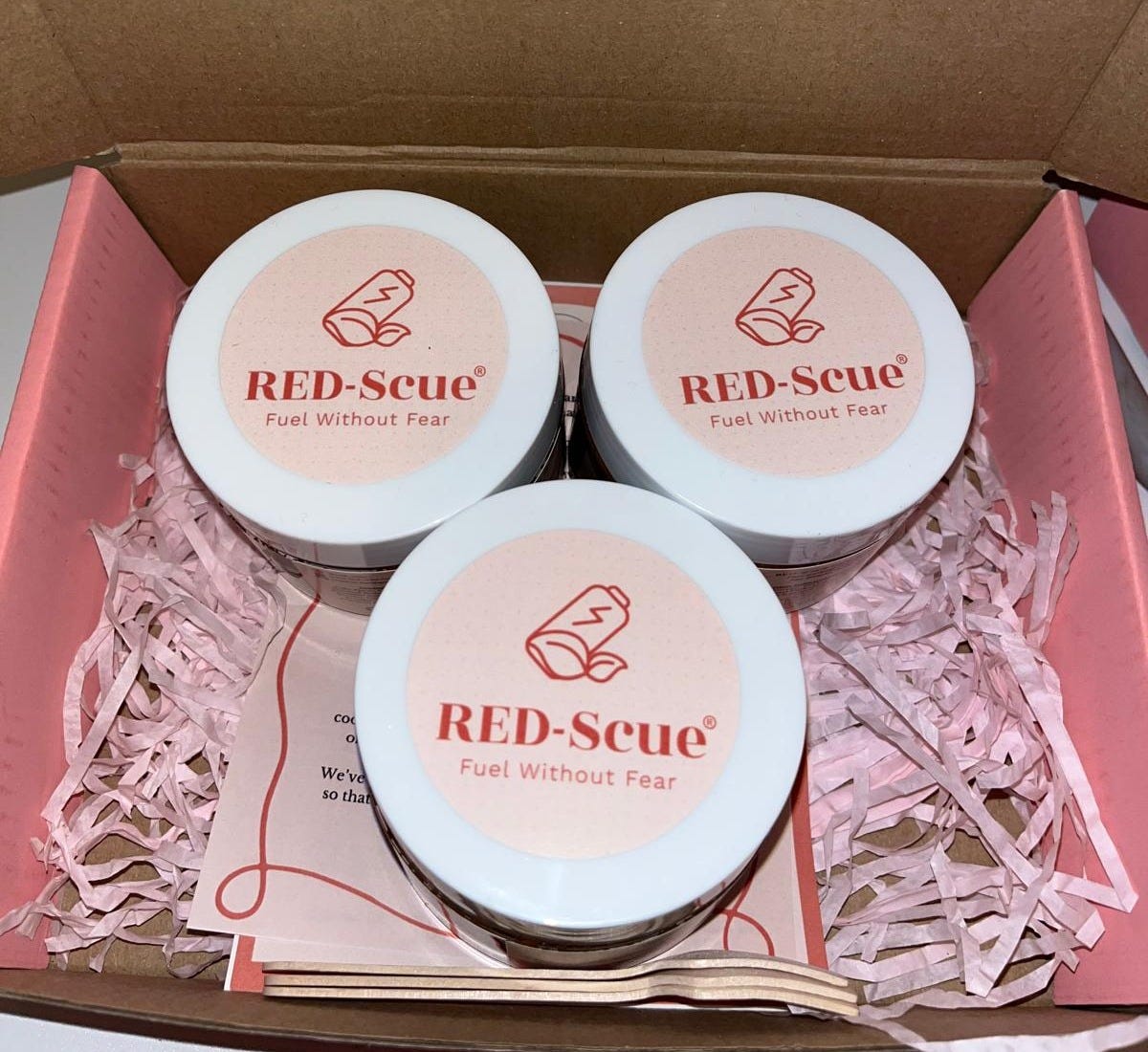
RED-Scue includes all of these into one accessible, portable snack to support energy and recovery.
African Endurance Fuelling Principles
Elite Kenyan runners provide a real-world model of carb-first fuelling and energy balance:
Diet composition: High-quality, plant-based staples — maize, kidney beans, teff, cassava — provide carbohydrates and moderate protein. Energy intake may be slightly below expenditure (Energy intake: 13.2 ± 1.3 MJ/d vs. expenditure: 14.6 ± 1.0 MJ/d), yet performance is maintained due to the carb-first fuelling technique (Wilber & Pitsiladis, 2012).
Timing: Carbs consumed immediately after training enhance muscle glycogen resynthesis up to 60 minutes post-exercise.
Training intensity: Most training is low-intensity (80–82% of total training time), interspersed with short bouts of moderate-to-high intensity. Rest is integral.
Hydration: Daily intake is moderate (≈1.8 L/day, mainly water and tea), yet ad libitum drinking maintains fluid and electrolyte balance (Oliveira et al., 2013).
Takeaway: Carb-rich, whole-food diets, combined with smart training and recovery, enable elite performance without extreme protein supplementation.
Returning to the Basics: TCM, Qi, and Functional Foods
Traditional Chinese Medicine emphasizes Qi, the vital energy that sustains body function. RED-S, from a Qi lens, mirrors deficiencies in energy, blood, and resilience. Combining African endurance fuelling with Ayurvedic and TCM principles, RED-Scue delivers:
Carb-first fuelling to restore energy
Whole-food micronutrients for blood, bone, and hormonal support
Gentle digestive and metabolic support from spices, seeds, and fruits
By respecting both modern science and ancient wisdom, RED-Scue addresses RED-S recovery, Qi deficiency, and functional energy without relying on multiple supplements.
Functional Whole-Food Ingredients
RED-Scue includes carefully chosen, whole-food ingredients to support RED-S recovery and Qi energy:
Mineral-rich seeds & nuts: support iron, calcium, magnesium
Vitamin C sources: blood and tissue health
Vitamin D sources: bone and hormonal health
B vitamins & beta-carotene: energy metabolism, vision, antioxidant defense
All ingredients are plant-based, vegan, and minimally processed, ensuring nutrient density and functional benefits without overstimulation.
How to Use RED-Scue
Pre-training: for energy
Post-training: for glycogen recovery
Daily energy top-up: for athletes, busy professionals, or anyone under energy stress
Early in the morning (no fasted training here!) or as an evening snack
RED-Scue is flexible, practical, and designed to reduce decision fatigue, letting users focus on performance and recovery rather than food choices.
The Takeaway
Society’s glorification of protein and demonization of carbs is misguided, especially for endurance, team sport, and active recovery:
Carbs are critical for energy, immunity, and muscle recovery
Protein should complement, not dominate the diet
Whole-food, plant-based nutrient sources support RED-S, Qi, and overall health
RED-Scue restores energy, supports Qi, and aligns with African endurance fuelling and Ayurvedic principles — all through whole, functional foods.
References
Costa, R. J., et al. (2013). High carbohydrate diet preserves oral immunity in rugby players. European Journal of Sport Science, 13(5), 521–530. DOI
Wilber, R. L., & Pitsiladis, Y. P. (2012). Kenyan and Ethiopian distance runners: What makes them so good? International Journal of Sports Physiology and Performance, 7(2), 92–102. DOI
Onywera, V. O., Scott, R. A., Boit, M. K., & Pitsiladis, Y. P. (2004). Demographic characteristics of elite Kenyan endurance runners. Journal of Sports Sciences, 22(10), 991–999. DOI
Oliveira, R. S., et al. (2013). Fluid intake and hydration status in elite endurance runners. Journal of Sports Medicine, 43(8), 745–753.
British Nutrition Foundation – Protein requirements
Harvard T.H. Chan School of Public Health – Protein and health
Cargill Protein Profile, 2025 – Global protein trends
BBC Good Food, 2023 – Protein and carb consumer trends
RED-Scue fuels training, thinking, creating, and living fully. Fuel without Fear.
5 STAR REVIEWS
Awards & Recognition:
2025 SETSquared UK Product Innovation Award
Women of the Future Young Star Award
Alibaba Top 30 Product Innovation Europe
Finalist, Pitch the Co-Packer (BCMPA) 2026
Tasted & Tested by Alistair Brownlee, Sara Davies, and Rio Ferdinand